
EXCAVATING THE GALLOWS
79
EXCAVATING THE GALLOWS


In 2007, during an archaeological metal detector survey of Long Island, hundreds of fragmented, corroded iron fastenings were located in an area of coral rubble on the western side of the island. The area was just inland from a small beach suitable for a small boat landing. The discovery was consistent with WA Museum archaeologists’ predictions that materials used to build the wooden gallows structure, such as iron fastenings, and possibly even durable clothing items (such as metal buckles or buttons), could have been preserved.
One intact wrought iron bolt recovered was similar to seventeenth century bolts used by the VOC. Further analysis of its metal composition and inclusions showed it was consistent with being made before the 1840s.
In 2015, a team of archaeologists from the WA Museum and the University of Western Australia excavated the area, finding more iron fastenings. Based on the historical and archaeological evidence, this location is considered to be the execution site of Cornelisz and six other mutineers.

Laying out survey baseline on the gallows site, 2007.
Credit: WA Museum
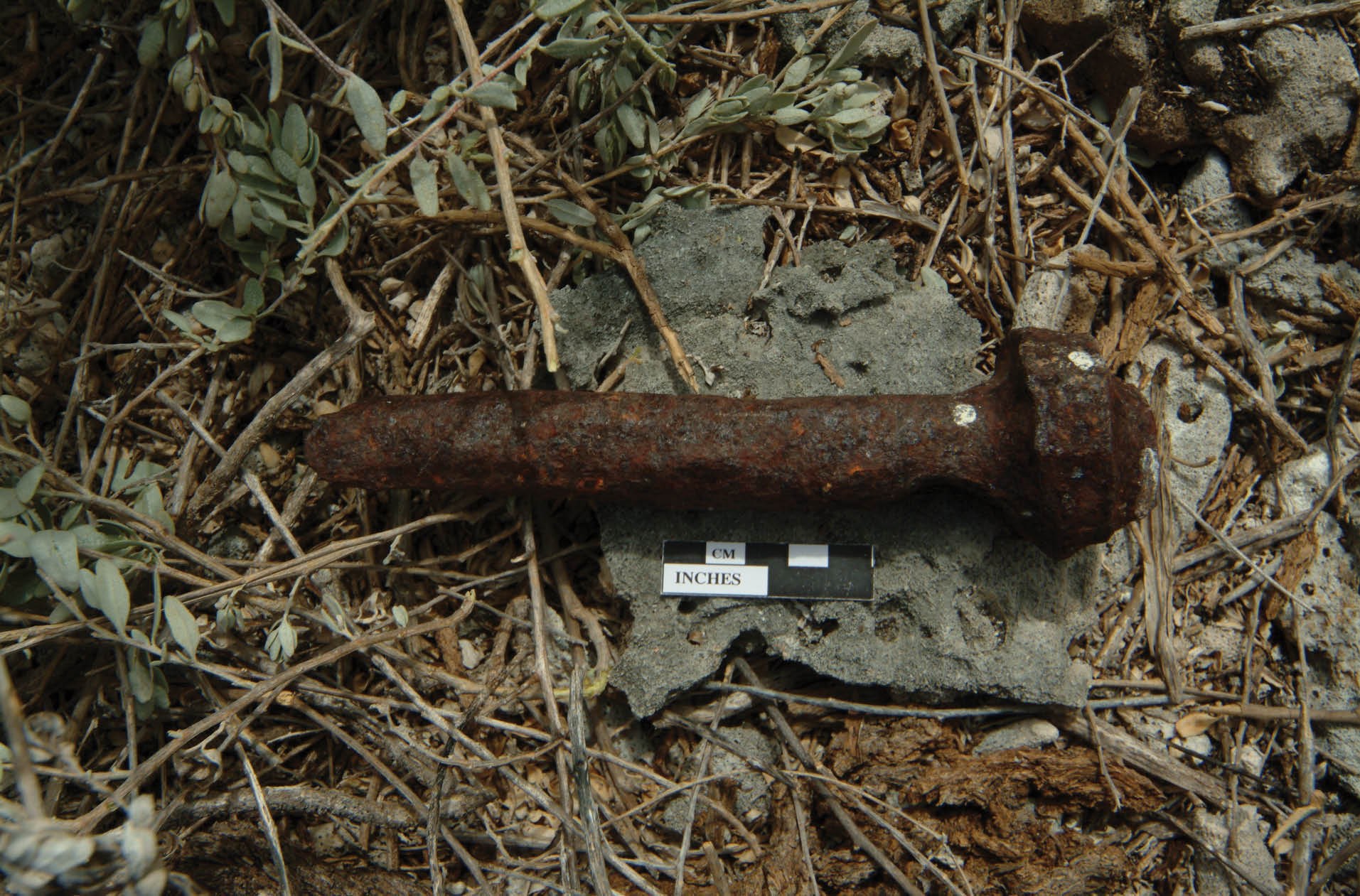
Wrought iron bolt on gallows site, 2007.
Credit: WA Museum, BAT80547A
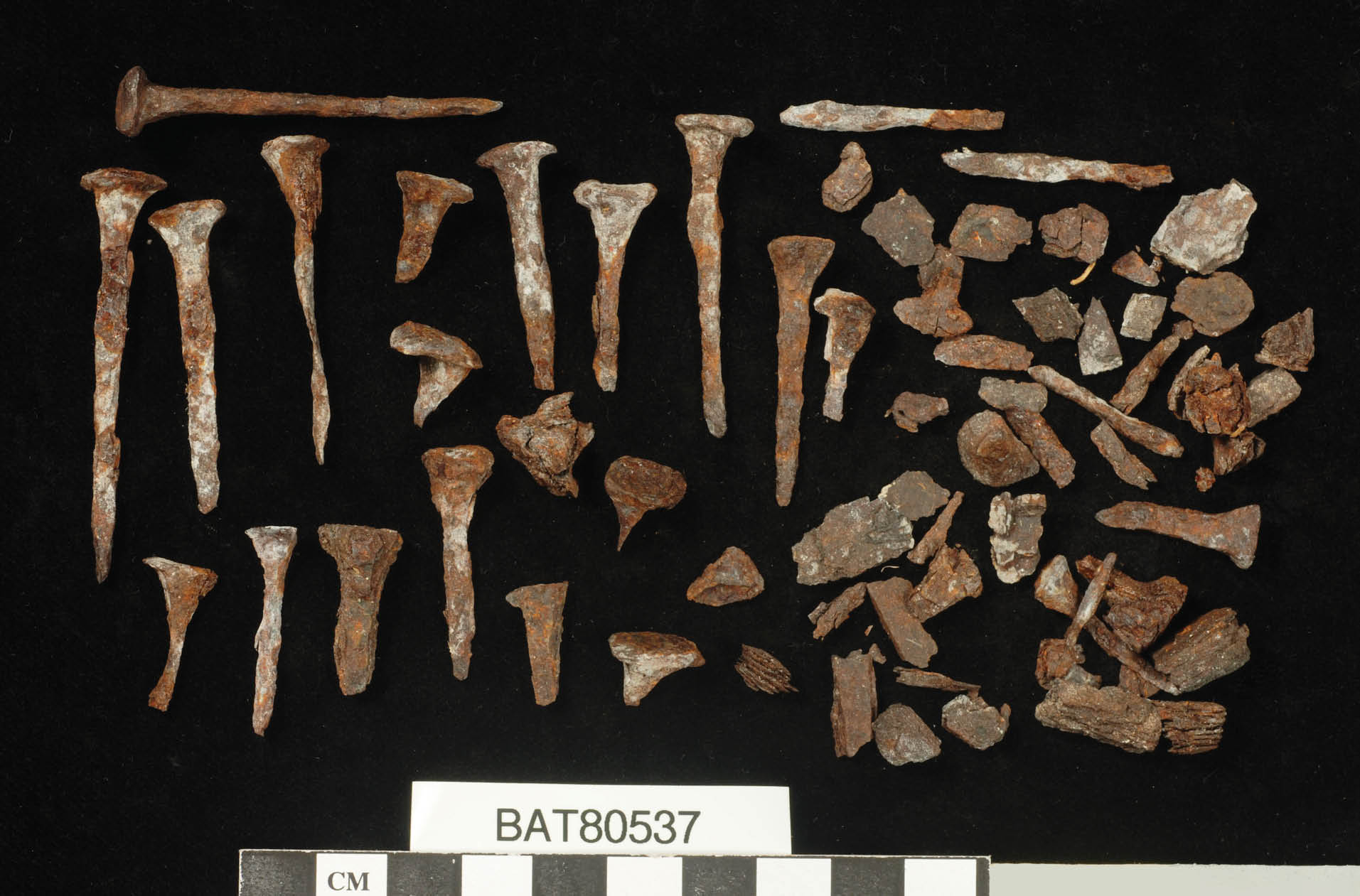
Wrought iron nails and fragments.
Credit: WA Museum, BAT80537


Archaeologists excavating the gallows site, 2007.
Credit: WA Museum

