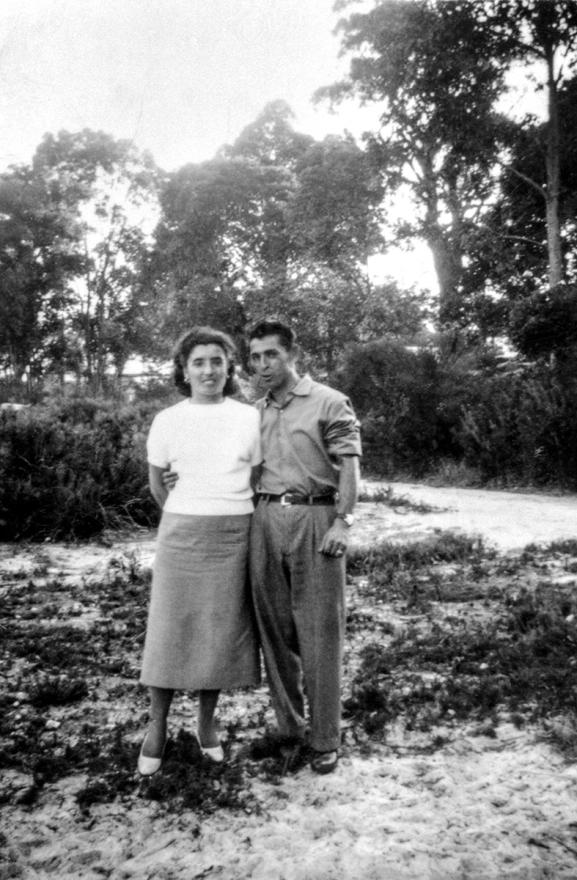
Caterina and Umberto were childhood neighbours in Porto San Giorgio. When Umberto migrated to Australia in 1952, he began working in the timber mills and corresponding with Caterina by letter. Eventually, their connection grew so strong he even proposed to her by letter!
Having lost her father during World War II, Caterina, as the eldest child, had to leave school to care for her younger siblings. She had always admired Umberto as a handsome young man and saw marriage and migration to Australia as an adventure and a way to reclaim her future.
There was only one thing stopping her: Caterina’s mother, who was unhappy about her traveling to Australia as a single woman. A proxy marriage provided a solution.
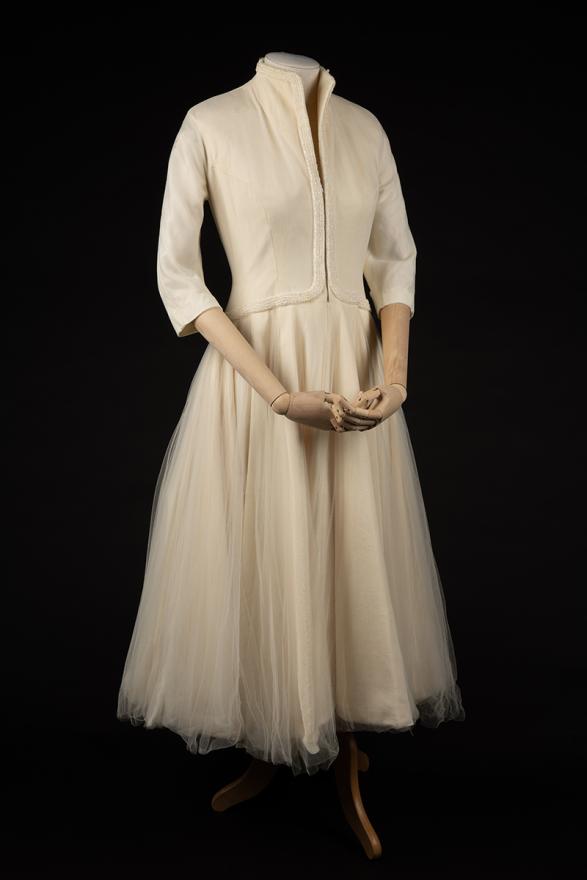
On the day of her wedding, Caterina wore a dress lovingly made by her cousin Isidori. Next to her, Umberto’s brother Gino Vallesi stood in as the groom. Their ceremony was followed by a reception at her grandfather’s farm – without Umberto.
In February 1956, Caterina boarded the Fairsea, arriving in Fremantle in March. She was lovingly welcomed by Umberto, and the couple celebrated with a second reception hosted by the Italian community in Witchcliffe.
Later, in April 1957, a layer of tulle from Caterina’s wedding dress was repurposed into a christening gown for her first daughter, Mariella.
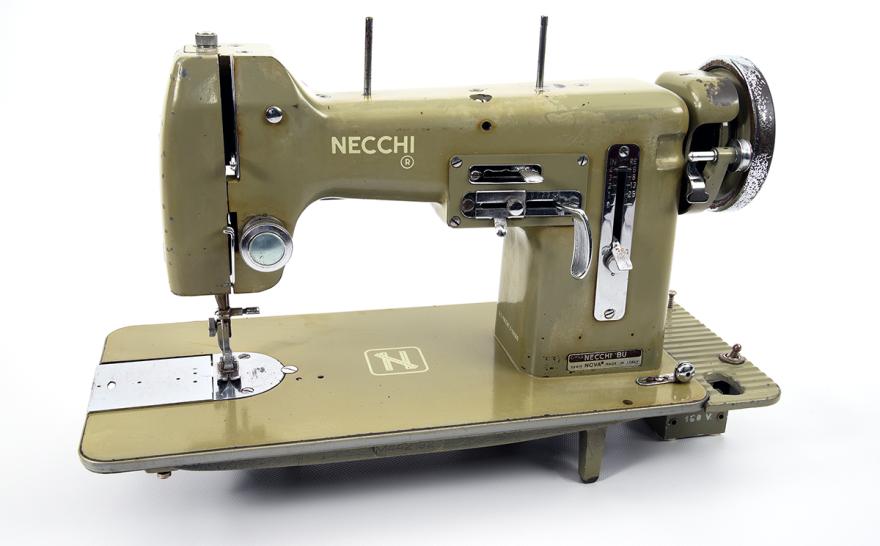
Along with her wedding dress, Caterina had travelled with her Italian-made Necchi sewing machine. She had used it in Italy from the early 1950s to support her family after her father’s death and continued to use it in towns across Western Australia to supplement the household income.
Engineered by Vittorio Necchi, these machines were renowned for their innovation, quiet operation, and ability to sew everything from chiffon to canvas. By the late 1950s, models like the Supernova introduced zigzag stitching and embroidery, revolutionising home sewing.
Caterina’s dress and sewing machine, complete with its original Italian instruction booklet, were donated by her daughters to the WA Museum History Department collection.
Today, they are recognised a beautiful example of how Italian migrant women used their resourcefulness to adapt and stitch together new lives in unfamiliar lands.