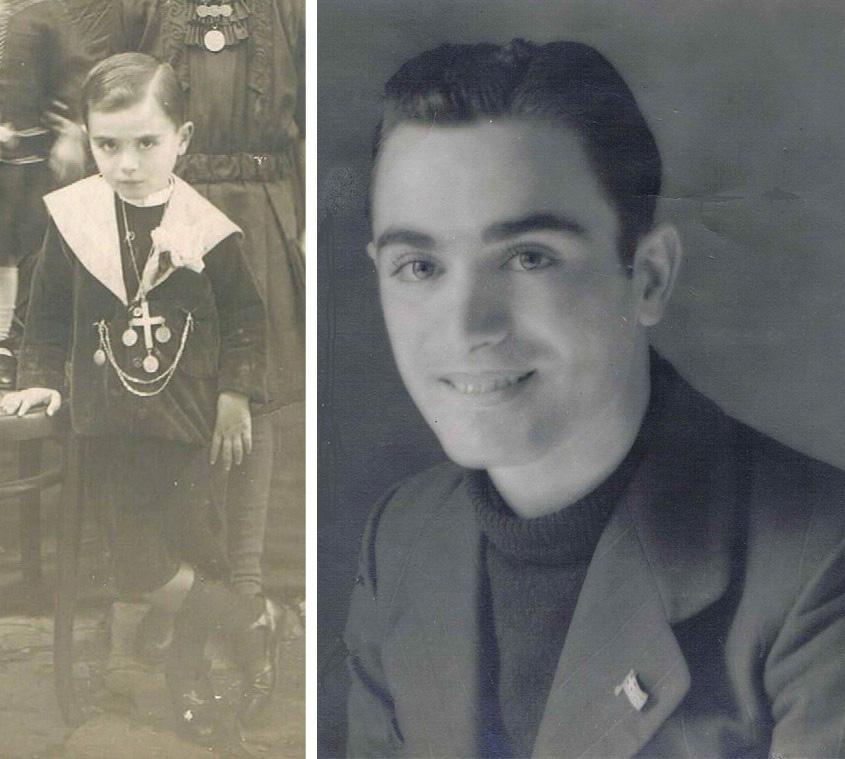
Born on 22 October 1921, he was one of eight children to parents Malaxos and Maria. Two of his young brothers had tragically died from illness prior to his birth, and his parents were determined to give him the best chance at life they could. His mother collected pieces of silver and asked the jeweller to make a cross as an offering to the Virgin Mary to protect him.
Michael completed primary school on Kastellorizo and continued his secondary education in Athens while living with his godparents. With political and economic uncertainty in Greece, he was called back to the island by his parents and encouraged to emigrate to Western Australia.
His journey aboard the Esquilino took 32 days, and Michael arrived in Fremantle on 8 February 1938. He then travelled to Kalgoorlie to meet his sister Despina and found employment with her husband as an apprentice tailor.
Michael arrived in Kalgoorlie a few short years after the infamous 1934 race riots and he recalled experiences of racism and intolerance at times, including an incident where he witnessed a migrant being beaten by a group of men outside his workplace. Despite this, Michael always remained thankful for the opportunities he found in his new home.
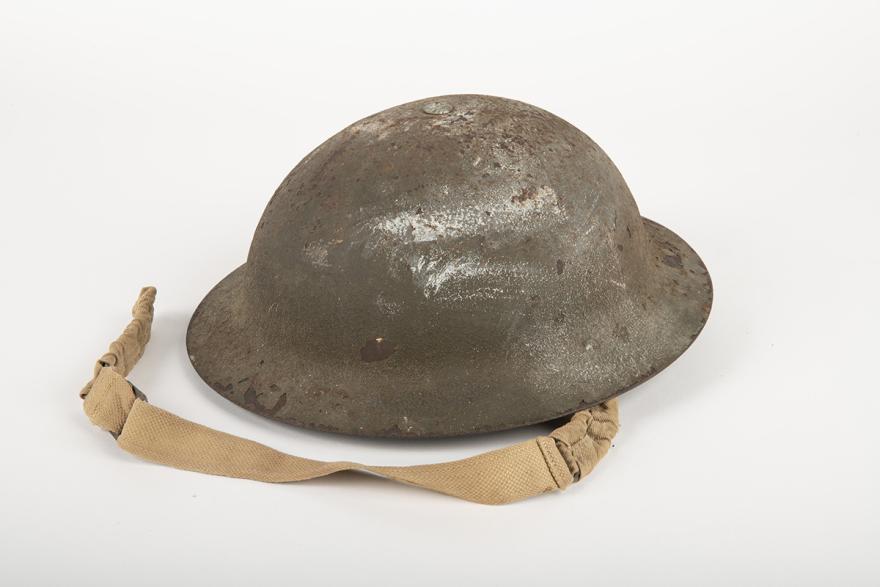
In 1942, Michael enlisted in the Australian Army, serving as an interpreter and tailor in the Citizen Military Forces. He served in Western Australia with units including the 11th Labour Company, the 5th Garrison Battalion on Rottnest Island, and at Marrinup Prisoner of War Camp. By the time he was discharged in December 1945, he had reached the rank of corporal.
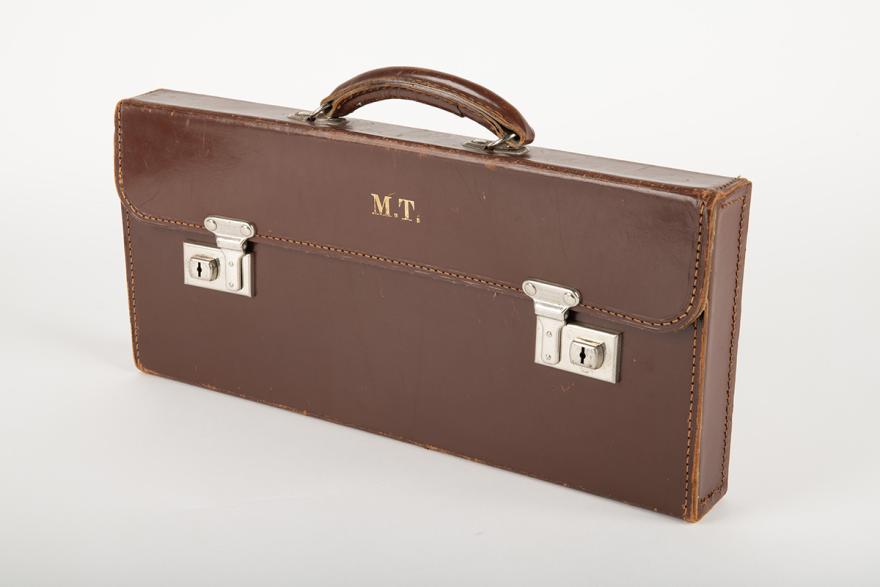
After the war, Michael returned to his tailoring career, and in 1948 married Lola Simeon after the pair met at a Greek dance. Together they had three children: Max, Marilyn and Ian. He ran a successful business based at 536 Hay Street in Perth from the late 1940s into the mid-1950s, and later at 384 Newcastle Street in West Perth for more than two decades. He assisted his relatives migrate from Greece to Australia.
Michael became heavily involved in community participation. After the war he became a life member of the Hellenic Community of WA, serving later as Secretary and Trustee. Michael also joined the Castellorizian Association of WA in 1946 and remained a lifelong member, serving as Secretary, Vice President (1980) and President (1982-1984). He was a Trustee for a further eight years and made an Honorary President. During his presidency, Perth was made a Sister City to Kastellorizo in 1984. In the 1950s he also helped to establish the committee for the Floreat Athena Football Club and became a Foundation Committee Member. Michael also became a member of the Freemasons.
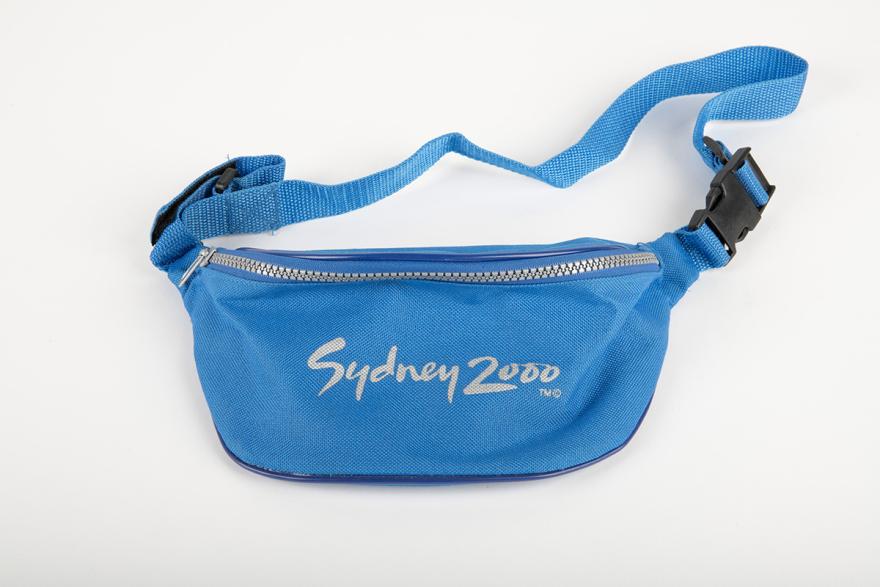
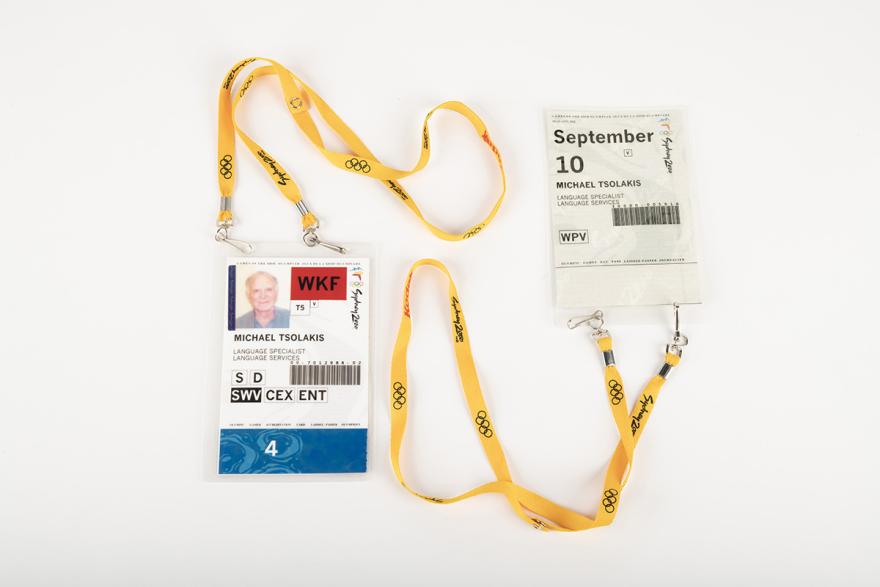
In 1986, at the age of 65, Michael retired from tailoring and retrained as an accredited interpreter and translator. He continued working in this career into his 80s, translating at police stations and in the legal system, as well as for Centrelink and Royal Perth Hospital. His language skills even took him to the Sydney 2000 Olympics, where he volunteered as an interpreter for the Greek water polo team.
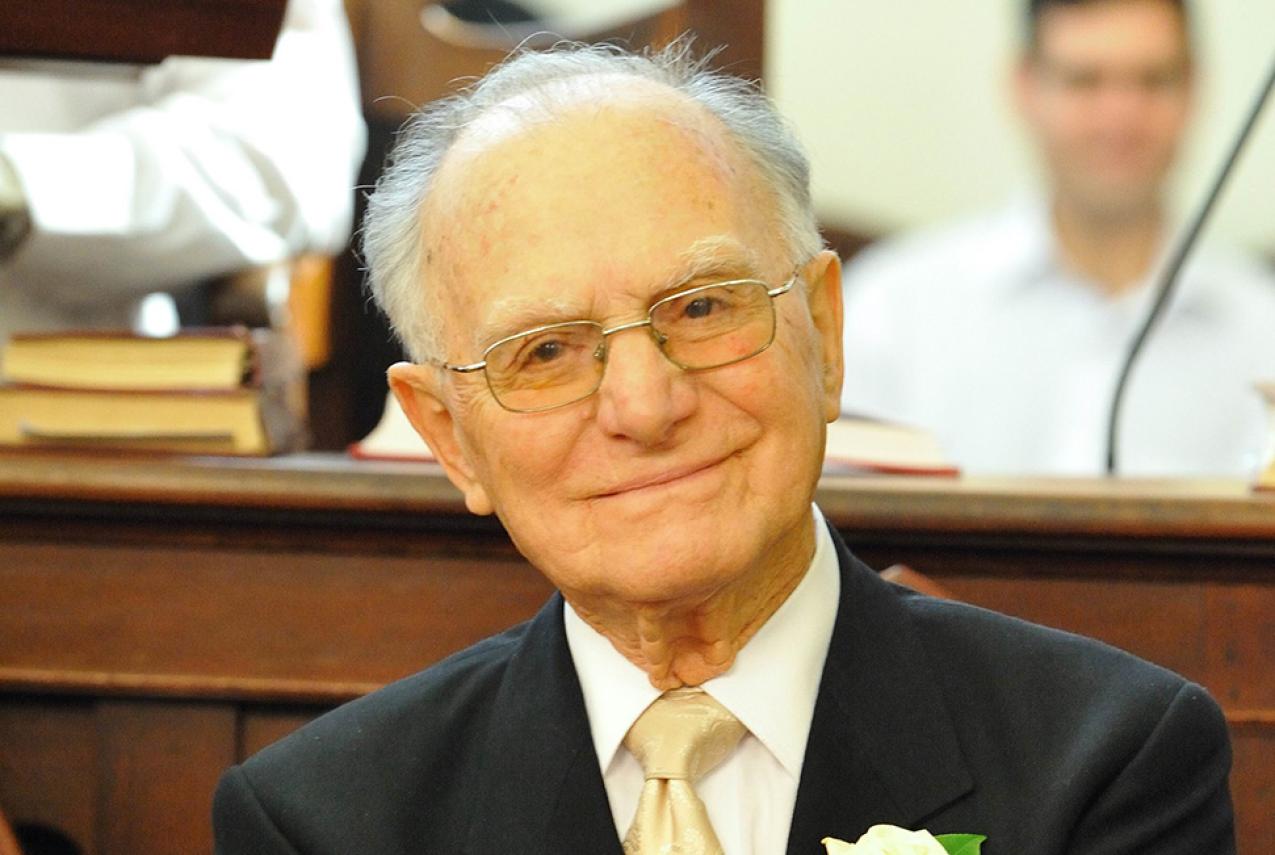
In 2009, Michael was awarded a Medal of the Order of Australia for his service and contribution to the Greek community of WA. His life story was adapted for the stage by the Blue Room Theatre, with two sell-out performances during their Winter Nights Program in 2018.
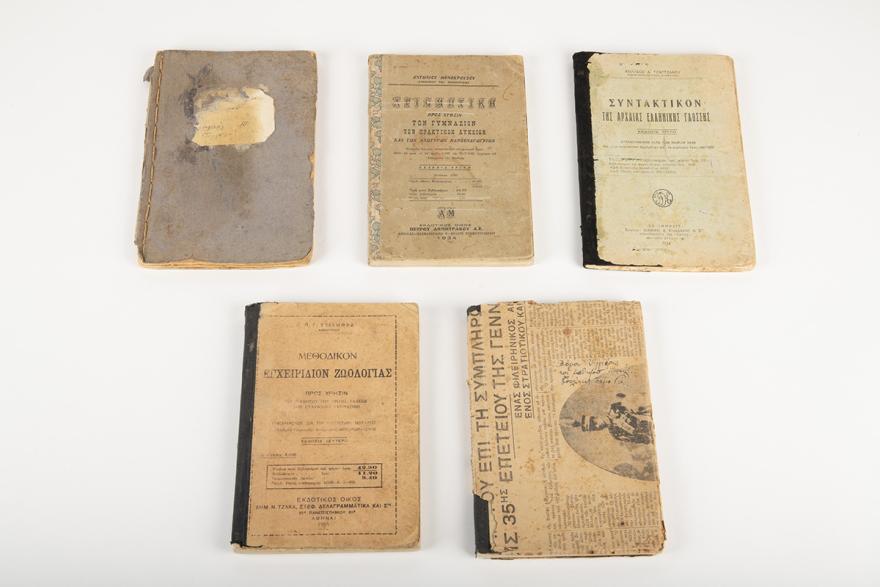
Michael died on 22 July 2021, just three months before his 100th birthday. In 2025 the Tsolakis family approached the WA Museum with a donation offer for Michael’s Greek school books. This soon expanded into a broader collection that spanned almost every stage of Michael’s incredible life.
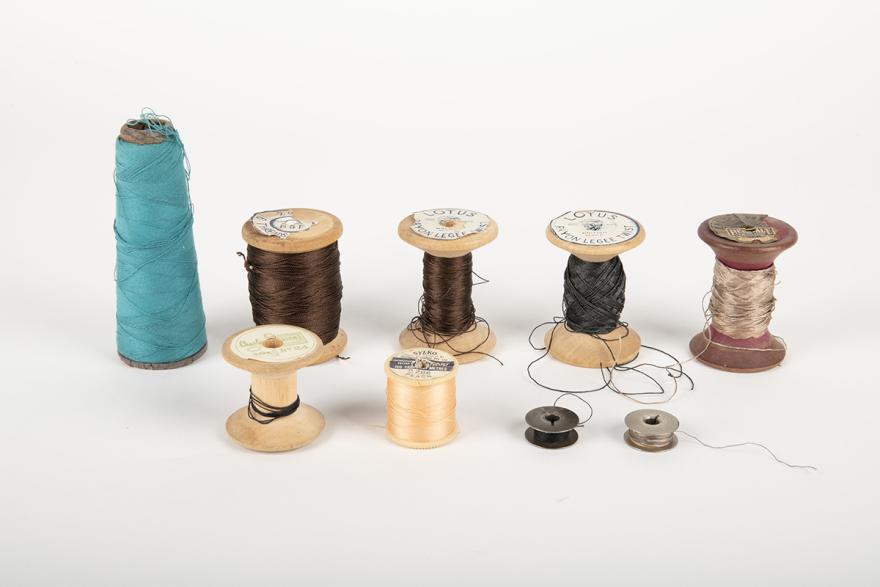
The sample below includes Greek school books from the 1920s and 1930s, an Australian Army helmet and a tailoring manual, alongside thread spools, bobbins and bespoke customised clothing tags. It also includes his blue bumbag and identification passes from his time as an Olympic volunteer.
These items now form the most substantial collection of material relating to Kastellorizian Greek migration held by the WA Museum, and offer insight into a life lived across countries, languages, careers and communities. Together, they help tell a story of migration, work, service, family and the many ways Greek Western Australians have helped shape our State’s history