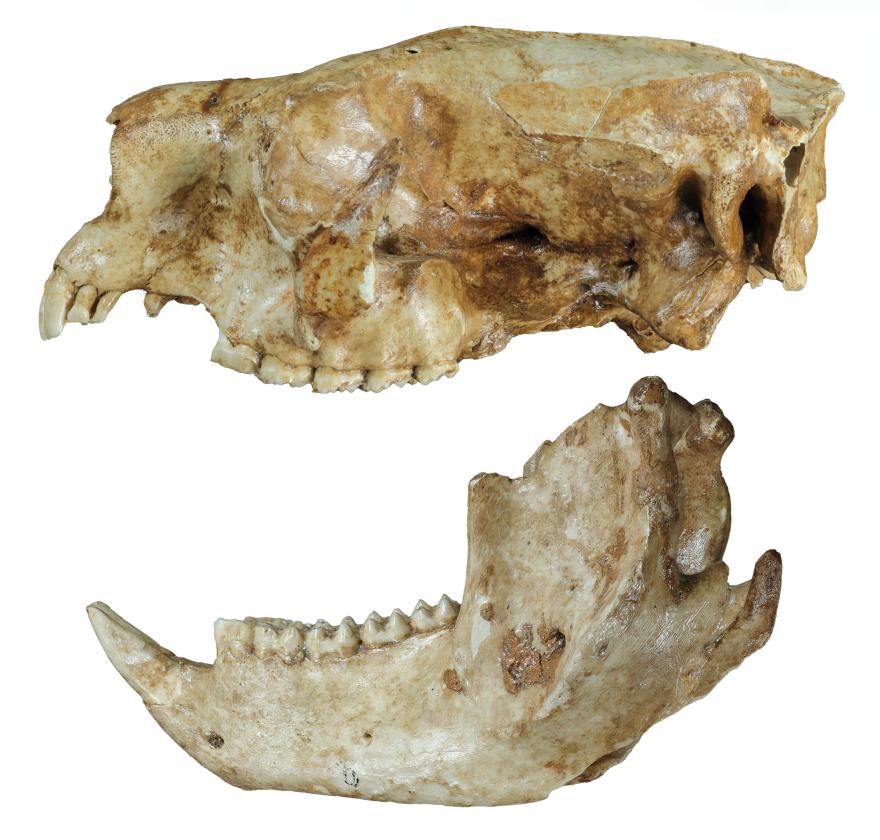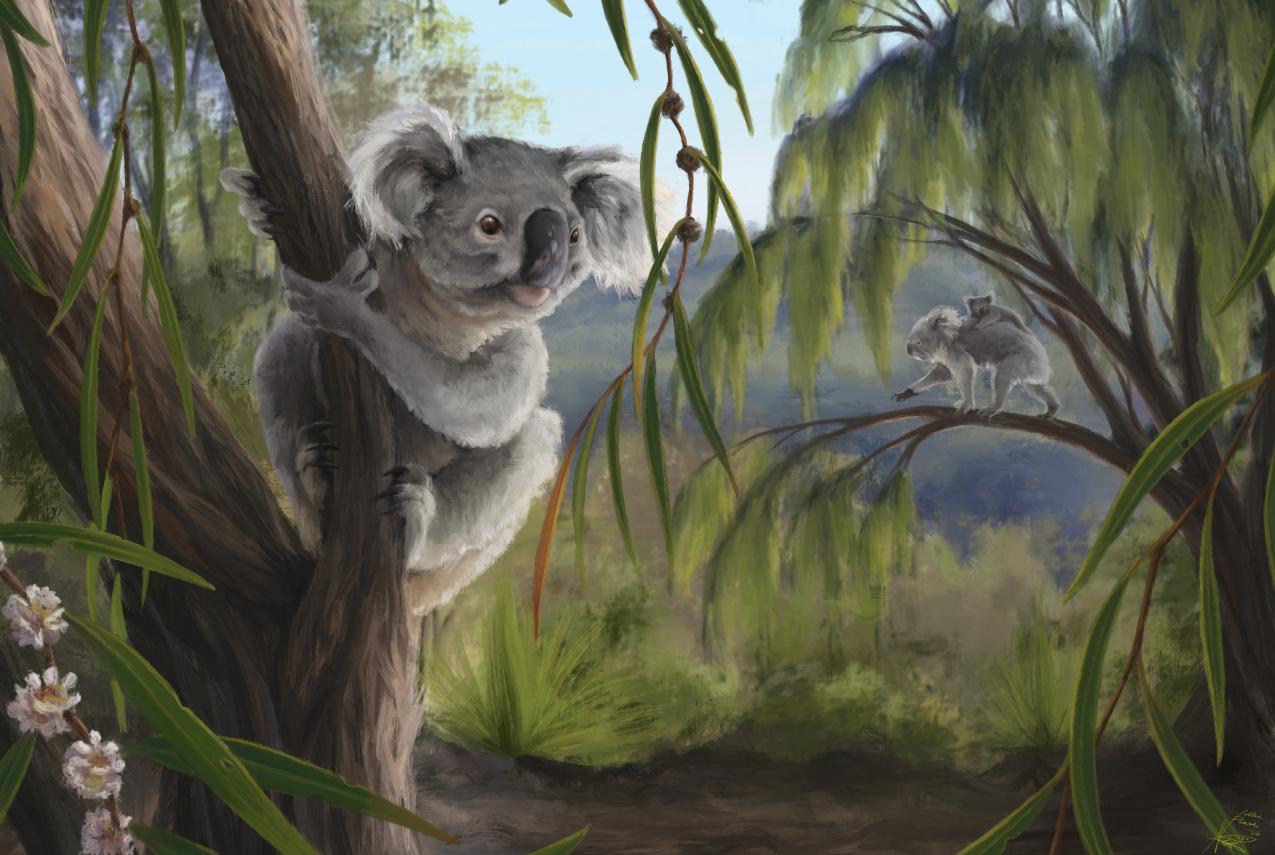
A previously unrecognised species of koala has been confirmed from fossils in the Western Australian Museum collection. It is the first new koala species identified from Western Australia.
Koala fossils have been known from WA for more than a century but were long assumed to belong to still extant modern east‑coast species, Phascolarctos cinereus, but new research has revealed that these fossils represent a separate species, Phascolarctos sulcomaxilliaris. This provides fresh insights into koala evolution and the environmental changes that shaped Australia’s ancient landscapes.
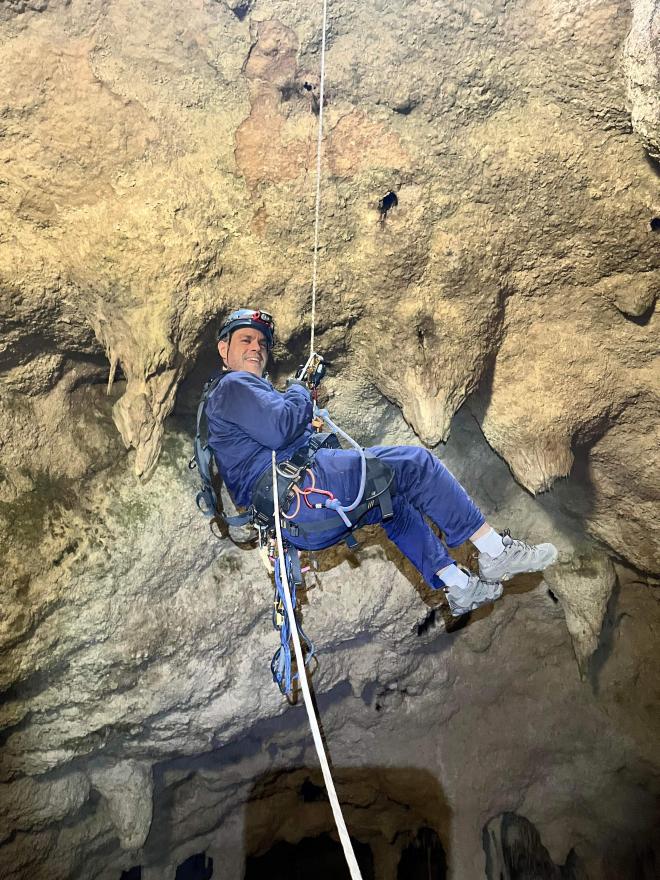
The study was led by Dr Kenny Travouillon, Curator of Mammals at the WA Museum, and Adjunct Research Fellow at Curtin University School of Earth and Planetary Sciences. Dr Travouillon began re‑examining the material after a fossil skull from Moondyne Cave in Margaret River—which had been donated by the late caver Mr Lindsay Hatcher—displayed unusual anatomical features.
“The fossil displayed characteristics we don’t see in modern koalas, which prompted further investigation,” Dr Travouillon said.
Researchers conducted detailed analysis, inspecting 98 bones from fossil specimens in the Museum’s collection. They compared skulls, teeth and postcranial bones with modern koala skeletons from museum collections on Australia’s east coast. The results showed clear and quantifiable differences between the WA fossils and their eastern relatives, confirming the presence of a new species.
Dr Travouillon said the species differs from modern koalas in several striking ways.
“Deep grooves in the cheekbone housed a large facial muscle, suggesting the animal may have had unusually large, mobile lips, possibly for manipulating eucalyptus leaves, or maybe to flare its nostrils to enhance its sense of smell and detect food from greater distances.
“Its skeleton was likely less agile than modern koalas and may have spent less time moving between trees.”
Fossils of the species have now been identified from more than a dozen cave deposits across southern Western Australia, including sites in Yanchep, Margaret River and the Roe Plain near Madura. This widespread distribution shows that these koalas once occupied a far broader range than previously recognised.
Radiometric dating conducted at The University of Queensland indicates that Phascolarctos sulcomaxilliaris disappeared around 28,000 years ago.
“This timing aligns with a major late‑Pleistocene climate event during which eucalyptus forests contracted to around five per cent of their current extent.
“With food and shelter dramatically reduced, koalas in the region likely faced severe habitat loss, leading to the extinction of this unique species,” Dr Travouillon said.
The dating analysis was made possible through support from the Foundation for the WA Museum. The research was led by the WA Museum in collaboration with Murdoch University, with dating analysis conducted by The University of Queensland.
The New fossil koala (Marsupialia: Phascolarctidae) from the Pleistocene of Western Australia manuscript published today by Royal Society Open Science, London, can be read here: https://doi.org/10.1098/rsos.251572.