Maritime Journals
Welcome to the Maritime Journals Archives Project, undertaken by Jeremy Green and Adriaan de Jong with support of the Western Australian Museum and funded by the Embassy of the Kingdom of the Netherlands, Canberra.
What is the Project? Explore the journals Deep dive stories More about the Archives Project Origins Acknowledgements
What is the Maritime Journals Archives Project?
This project presents digital reproductions, transcriptions and translations of the original journals and letters describing early maritime encounters with Western Australia. These are mostly by the Dutch East India Company (Verenigde Ostindische Compagnie – VOC) and are the earliest European records of their sightings, landings and occasional shipwrecks on the Western Australian coast.
Content warning
Please be advised that this webpage contains historical materials that may include language or opinions that today are considered inappropriate or even offensive. The Western Australian Museum does not endorse this language and apologises for any distress caused.
While every effort has been made to produce reliable and understandable transcriptions and translations of these documents, undoubtedly some errors remain. For example, there is enormous variation in the spelling of people’s and ships’ names. In this work we have tried to maintain consistent spelling, using the most common term used in the journals.
Explore the journals
The archives interface is best navigated using a desktop computer.
The journals are arranged in chronological order of the various encounters with the Western Australian coast. Where a document is part of a group relating to a particular ship or event, these are provided with an explanatory page. One can browse each of the journals by selecting and scrolling through the pages.
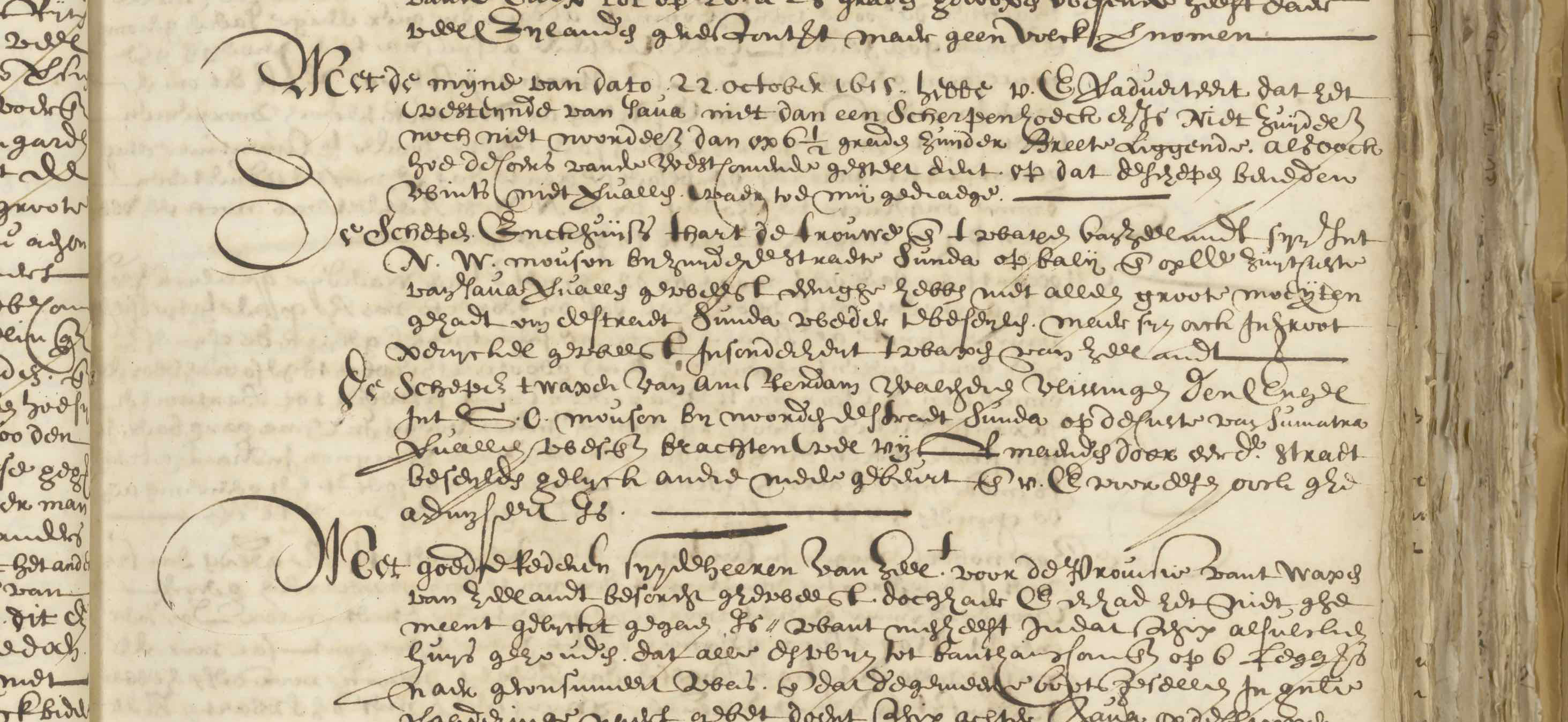
Each page presents high resolution images of the original handwritten documents in the centre of the screen. On the left-hand side a transcription of the Dutch text is provided, and on the right-hand side is a translation into modern English. Annotations to the English translation are provided as footnotes. Users can click on each line of the transcription and the approximate location of the corresponding line in the document will be highlighted. Users can also enlarge sections of the document through the magnifying glass tool, available by simply moving the mouse over the image.

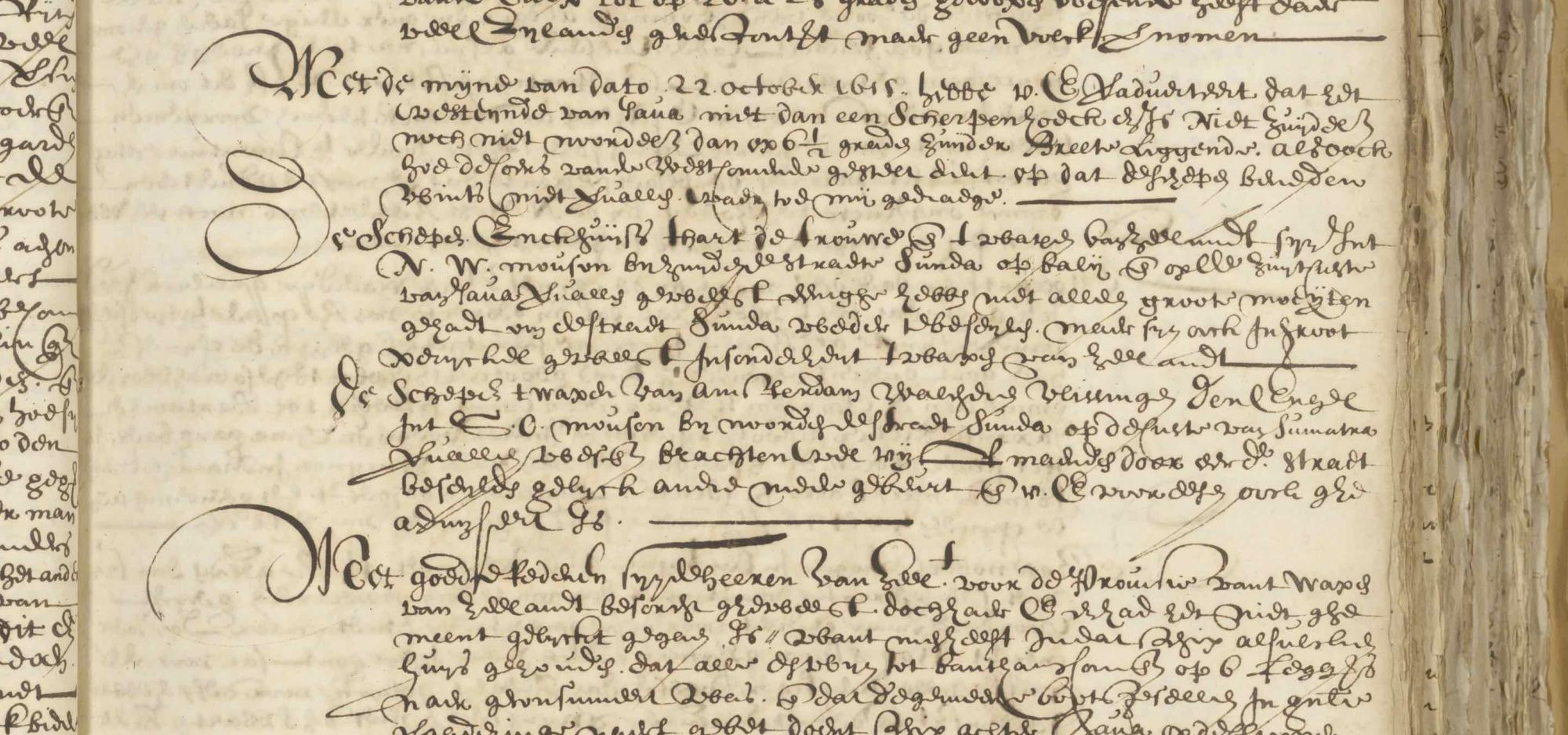
Part of an original missive from Jan Pietersz. Coen to the Amsterdam Chamber of the VOC, dated 22 August 1617, which reports the encounter of the ship Eendracht with the Southland.
Source: Nationaal Archief
Translation: Heeres 1899
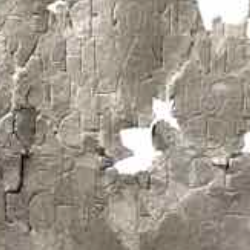
A flattened pewter dish that was nailed to a pole where Dirk Hartog made landing in Western Australia, inscribed with the date (25 October 1616), the ship's name (Eendracht), the destination (Bantam) and the most senior crew members. Retrieved by Willem de Vlamingh from Dirk Hartog Island in 1697.
Source: Rijksmuseum

‘Sailing orders’ (Seijlsorders) issued by the Council of the VOC in 1617.
Source: Nationaal Archief
Translation: Adriaan de Jong/Adriaan de Jong
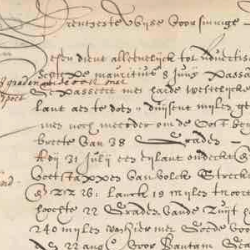
Letter written by Willem Janszoon on board Wapen van Amsterdam 6 October 1618 describing encounter with Southland 31 July while on board the ship Mauritius.
Source: Nationaal Archief
Translation: Adriaan de Jong/Adriaan de Jong
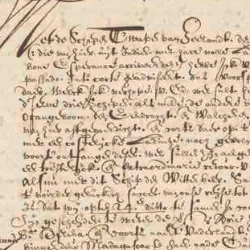
An account of the voyage of the ship Zeewolf by Supercargo Pieter Dircxsoon addressed to the Directors of the VOC Chamber of Amsterdam, including the sighting of the Australian North West coast on the 11 May 1618.
Source: Nationaal Archief
Translation: Adriaan de Jong/Adriaan de Jong
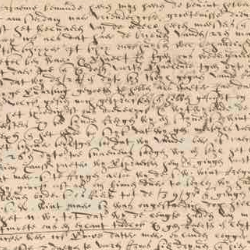
A letter to the directors of the VOC at Amsterdam signed by the Skipper Haevick Claessen van Hillegom, giving a brief account of the voyage of the ship Zeewolf including the sighting of the Australian North West coast on the 11 May 1618.
Source: Nationaal Archief
Translation: Adriaan de Jong/Adriaan de Jong
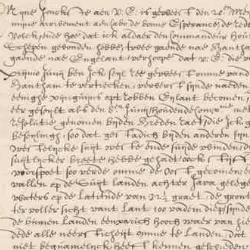
An account to the members of the Heeren made by Jacob Dedel summarising the passage of Amsterdam from the Cape of Good Hope to Bantam, accompanying Commander Houtman on board Dordrecht.
Source: Nationaal Archief
Translation: Heeres 1899
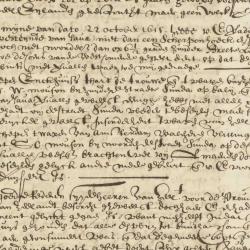
An account dated 7 October 1619, to the monarch made by Frederick Houtman from Jakarta summarising the passage of Amsterdam and Dordrecht from the Cape of Good Hope to Bantam.
Source: Nationaal Archief
Translation: Adriaan de Jong/Adriaan de Jong

An account made by Frederick Houtman from Jakarta to the Directors, with a fuller account of the passage of Amsterdam and Dordrecht from the Cape of Good Hope to Bantam, including their progress from the 19 July to 2 August along the Western Australian coast.
Source: Nationaal Archief
Translation: Adriaan de Jong/Adriaan de Jong
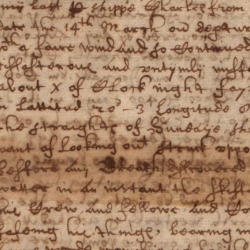
Bright account of loss of Trial.
Source: The British Library
Translation: Jeremy Green & Susan Broomhall/Jeremy Green
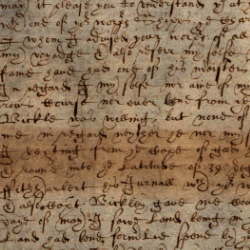
2 Letters by Brookes describing the loss of the Trial.
Source: The British Library
Translation: Jeremy Green & Susan Broomhall/Jeremy Green

Amongst a summary account of multiple events it is noted that Wapen van Hoorn has almost run aground on the Western Australian coast. The volume also notes the wrecking of the British East India ship Trial and a notation regarding Amsterdam and Dordrecht's encounter with the Western Australian coast.
Source: Nationaal Archief
Translation: Heeres, 1899
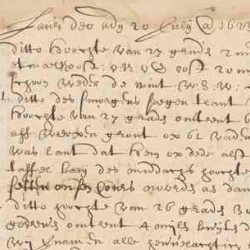
The journal of the ship Leiden by Skipper Klaas Hermansz. on the voyage to Batavia - January - August 1623, which sailed along the Western Australian coast for several days in July 1623. Encounter with the Western Australian coast is noted on the 21 July 1623.
Source: Nationaal Archief
Translation: Heeres, 1899
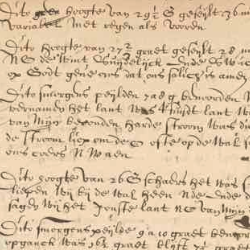
Copy of the journal for the ship Leiden made by the skipper Daniel Jansen Cock from 17 May 1625, including sighting of the coast of Western Australia 28-29 April 1626 between 27° and 26° latitude.
Source: Nationaal Archief
Translation: Heeres, 1899

Letter of Jan Pieterszoon Coen to the Directors of the VOC detailing his recent experience on board Galias to Batavia. He details how perilously close the ship came to being wrecked off the Western Australian coast as they came across broken reef without being able to see land at 28°30' - likely the Abrolhos Islands - and recommends the Directors take action to correct charts to prevent future accident.
Source: Nationaal Archief
Translation: Heeres, 1899

Notation in copy of Batavia Dagregister for 1627 for Saturday 10 April - the arrival of the Gulden Zeepaard with Pieter Nuyts on board. Note also, notation on the Hessel Gerritsz. chart known as the ‘Huydecoper Chart’.
Source: Nationaal Archief
Translation: Jeremy Green/Jeremy Green
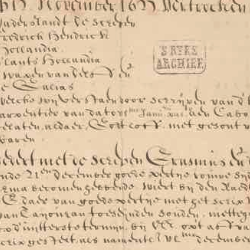
Letter of the Governor-General and Councillors to the Managers of the VOC 3 November 1628. Mentions the return voyage of Vianen which was driven too far south from Batavia and ran aground on the northwest of Australia, but thankfully refloated after casting off.
Source: Nationaal Archief
Translation: Heeres, 1899

Letter Of Supercargo J. Van Roosenbergh to the Directors of the VOC, November 8, 1627 detailing his recent experience on board Wapen van Hoorn to Batavia. The correspondence echoes that of Coen on board Galias during the same month - remarking on sighting Dirk Hartog's roadstead further west than expected and suggesting corrections in the charts.
Source: Nationaal Archief
Translation: Heeres, 1899
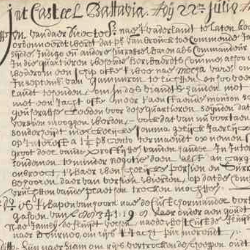
Entry in the day register for Batavia noting the arrival of Zeeburg on 4 July 1628 after an encounter with the coast of Australia.
Source: Nationaal Archief
Translation: Adriaan de Jong/Adriaan de Jong
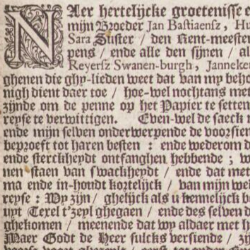
1649 published edition of Francois Pelsaert's account of the wreck of the Batavia, 1628-29, known as the 'Unlucky Voyage'. This edition, known as the 'Utrecht edition', contains three additional views of the wreck of the vessel, and the alternative eye-witness account of Gijsbert Bastiaenz, the predicant, in a letter to his family.
Translation: Jeremy Green/Jeremy Green

VOC Batavia list of recovered goods and account of people on the ship and what happened to them.
Source: Nationaal Archief
Translation: Adriaan de Jong/Adriaan de Jong

A report of the declaration by Francois Pelsaert for the Advocaat Fiscal at Batavia about the wreck of Batavia, dated 6 November 1629 and signed by one Andries de Meester.
Source: Nationaal Archief
Translation: Adriaan de Jong/Adriaan de Jong
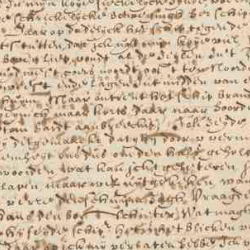
Copy of Pelsaert's account of the wrecking of Batavia in 1629, and a copy of the journal of Pelsaert's second voyage to the South-land with the yacht Sardam, and return to Batavia.
Source: Nationaal Archief
Translation: Adriaan de Jong/Adriaan de Jong
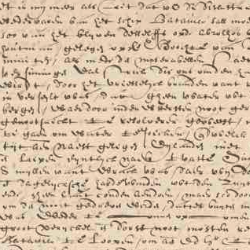
A letter by Francisco Pelsaert dated and signed 12 December, addressed to the Amsterdam Chamber of the VOC, relating the events surrounding the wreck of Batavia and following disaster.
Source: Nationaal Archief
Translation: Adriaan de Jong/Adriaan de Jong

Letter from Antonio van Diemen to Pieter de Carpentier describing the loss of Batavia.
Source: Nationaal Archief
Translation: Adriaan de Jong/Adriaan de Jong
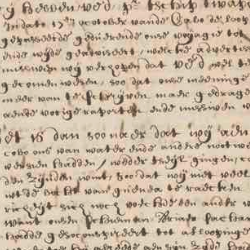
Original missives from Willem Perregens to the Amsterdam Chamber dated 31 December 1631, regarding the voyage of Grootenbroeck, and 13 January 1632, regarding encounter with the Southland and sailing between the Houtman Abrolhos Islands and the mainland.
Source: Nationaal Archief
Translation: Adriaan de Jong/Adriaan de Jong
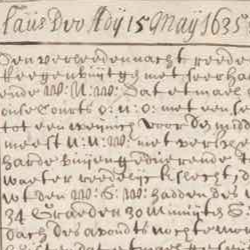
Commander Wijbrandt Geleynszoon de Jongh’s daily register on Amsterdam during its journey to Batavia, describing encounter with Southland in 25° 16’ S.
Source: Nationaal Archief
Translation: Adriaan de Jong/Adriaan de Jong
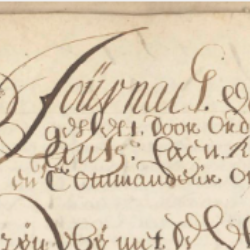
Journal of the ship Banda written by commander Anthonie Caen, on outward journey from Netherlands to Batavia, 16 February 1636 - 25 July 1636. Reports signs consistent with being close to the West Australian coast 5 - 7 July 1636, including seeing two large birds.
Source: Nationaal Archief
Translation: Adriaan de Jong/Adriaan de Jong
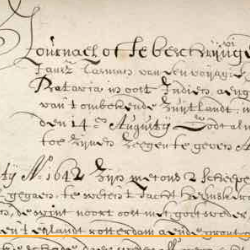
One of two abridged versions of the day journal of Abel Jansz Tasman during the expedition to the Southland aboard Heemskerk and Zeehaen, 1642-43. Also known as the 'Seeres' journal or manuscript.
Source: Nationaal Archief
Translation: Heeres/Heeres 1895

Copy resolution of the Governor General and Council of the Indies for Wednesday 7 June 1656 noting the arrival of the schuit of Vergulde Draeck with seven survivors, the nature of the loss of the vessel and cargo on the Australian coast, and recording the resolution to prepare and send forth the fluit Witte Valck and jacht Goede Hoop for their rescue and salvage.
Source: Nationaal Archief
Translation: Lous Zuiderbaan/Lous Zuiderbaan
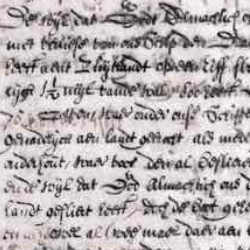
A copy missive of the letters signed 7 May 1656 entreating on behalf of the survivors of the wrecking of Vergulde Draeck for aid to be sent, entrusted to a crew of seven men sent in the ship's schuijt to Batavia. This copy was enclosed in a letter from the Council of the Indies to Jan van Riebeeck in Cape Town 4 December 1656 in order to alert them to the loss of the ship and rescue efforts.
Source: Western Cape Archives, South Africa
Translation: Adriaan de Jong/Adriaan de Jong
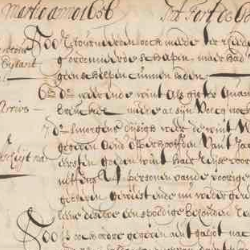
Entry in the day register for 9 March 1656 at the Cape of Good Hope, noting the arrival of the ship Vergulde Draeck.
Source: Nationaal Archief
Translation: Adriaan de Jong/Adriaan de Jong

Letter of instruction to the officers on board the fluyt Vink from the Commander Jan van Riebeeck at the Cape of Good Hope, dated 26 April 1657, to look for the survivors of Vergulde Draeck and salvage as much cargo as possible without risk.
Source: Nationaal Archief
Translation: Adriaan de Jong/Adriaan de Jong
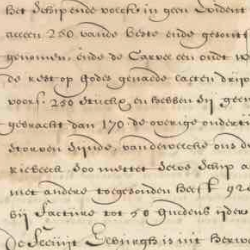
Part of the original general missive of the Governor General and Council of the Indies, dated 14 December 1658, reporting the arrival of Elburg at Batavia after encountering and landing at the Southland due to bad weather. Includes a brief description of the people and things seen there.
Source: Nationaal Archief
Translation: Adriaan de Jong/Adriaan de Jong

Daily journal by Aucke Peters. Jonck, skipper of Emmeloord, during the expedition to the south-land with Waeckende Boei to find any survivors of the wreck Vergulde Draeck, salvage any cargo and map the coast.
Source: Nationaal Archief
Translation: Adriaan de Jong/Adriaan de Jong
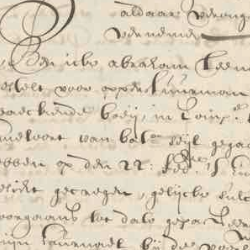
Daily journal of Abraham Leeman, who accompanied the expedition to the south-land to find the wreck Vergulde Draeck aboard the Waeckende Boei, was stranded with several men, and made their own way back to Java from the Southland. This was written after he had returned to Batavia and recovered from his ordeal.
Source: Nationaal Archief
Translation: Adriaan de Jong/Adriaan de Jong

Part of the original general missive of the Governor General and Council of the Indies, December 4, 1656, relaying the events of the loss of Vergulde Draeck and the unsuccessful efforts by them to restore the survivors and cargo to safety through the direction of Witte Valk and Goede Hoop under the command of Huyhert Adriaensz Huyge to the coast of Australia due to adverse conditions.
Source: Nationaal Archief

Part of a general missive from General van Riebeeck to the Heren XVII dated 26 April 1659, noting the departure of Immenhorn to Batavia on the 17th February, which will travel via the Southland to collect the cargo and people of Vergulde Draeck.
Source: Nationaal Archief
Translation: Adriaan de Jong/Adriaan de Jong

Journal of Willem de Vlamingh on board Geelvink, spanning 3 May 1696-20 March 1697, on expedition to map the islands of Tristan d'Acunha, St Paul and Amsterdam, and the west coast of Australia.
Source: Nationaal Archief
Translation: Schilder/Schilder

A published account of the De Vlamingh expedition to the Southland, attributed to Nijptang's upper-surgeon Mandrop Torst. Incorrectly in the past referred to as "Vlamingh's journal".
Translation: Jeremy Green/Jeremy Green
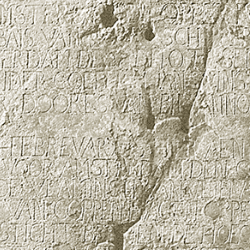
Inscribed pewter plate erected in 1697 on Dirk Hartog Island copying the inscription of Dirk Hartog's plate and adding one recording the visit of the expedition commanded by Willem de Vlamingh. The plate replaced that erected by Dirk Hartog, which was returned to the Dutch, and this plate in turn was removed by Louis de Freycinet in 1818.
Source: Western Australian Museum
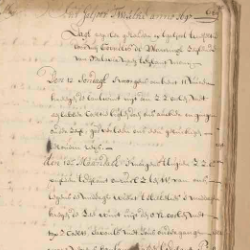
Day Journal of Cornelis de Vlamingh on board Weseltje, from Batavia to the Island Monij [Christmas Island] 12 May - 17 June 1697.
Source: Nationaal Archief
Translation: Günter Schilder and Cornelis De Heer/Günter Schilder
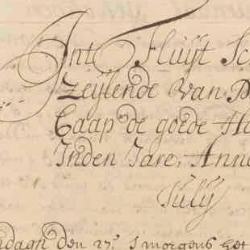
Journal of the ship Bellvliet during its voyage from the Netherlands to the Cape, which was in convoy with the ship Zuytdorp.
Source: Nationaal Archief
Translation: De Heer
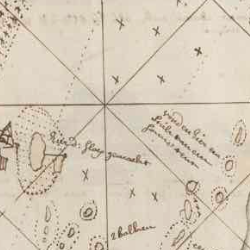
An anonymous account of the Zeewijk wrecking, possibly derived from van der Graaf's journal. Includes a map of the Half Moon Reef and Pelsaert Group. Part of a collection of manuscripts either gathered or written by VOC-skipper Wouter Thomasz van Dijk 1704-1734. Also known as the 'Brussels Manuscript'.
Source: Bibliothèque Royale de Belgique
Translation: Lous Zuiderbaan/Lous Zuiderbaan

A signed certified copy of the day journal of the skipper, Jan Steijns, of Zeewijk presented as evidence during the 1728-29 trial where he was prosecuted for the loss of Zeewijk and the falsification of records. This extract is of three sections: a section of the 'dag register' up until the point of wrecking (June 9, 1727), a section after the point of wrecking (June 9, 1727) covering their time on the Houtman Abrolhos (until 25 March 1728), and a third section covering the return journey to Batavia on Sloepie (starting 26 March 1728).
Source: Nationaal Archief
Translation: Adriaan de Jong/Adriaan de Jong

A copy of the day journal kept on the ship Zeewijk by second mate Adriaan van der Graaf including an account of its wrecking on the Houtman Abrolhos 1727, copied and signed 9 September 1729.
Source: Nationaal Archief
Translation: Adriaan de Jong/Adriaan de Jong
Deep dive stories
Learn more with deep dive stories about a selection of the journals and letters.
About the Archives Project
Archival manuscripts that record the earliest European maritime encounters with the Western Australian coast are an amazing primary resource. Most of these accounts are by the Dutch East India Company (VOC) and are written in a historic form of Dutch. This project brings the transcription and translation into English of these texts together in one place for ease of use by everyone.
The VOC (Verenigde Ostindische Compagnie, or United East India Company) was a Dutch trading company established in 1602 to trade with the “East Indies”, which encompassed communities and cultures from southern Arabia, across south-east Asia to Japan. The Company lasted almost 200 years, during which time they sent almost 4500 ships with money, in the form of silver and gold coins and bars, together with trade goods, to purchase spices and other goods, such as textiles and ceramics, and bring them back to Europe. Four of these ships were lost on the Western Australian coast; Batavia in 1629; Vergulde Draeck in 1656; Zuytdorp in 1712 and Zeewijk in 1727. Many others sighted, and some landed, on the Western Australian coast.
As part of the administrative process of the VOC, the commander and senior offices kept journals that recorded details of the voyage. These journals of ships’ voyages, including two of the ships wrecked on the Western Australian coast - Batavia and Zeewijk -survived as they were brought to Batavia (modern Jakarta), the headquarters of the VOC in the Indies. Further information has survived in the notes and letters made by the centres of VOC administration, such as at Batavia and the Cape of Good Hope, copies of which were sent back to the Heeren Zeventien – the VOC’s governing council. The surviving copies of these journals and other documents relating to the VOC’s encounters and sightings of Australia can mostly be found in the National Archives in the Hague, Netherlands (Nationaal Archief), and extensive and important archives are also held by the Arsip Nasional Republik Indonesia (ANRI) (Indonesian National Archives) and the Western Cape Archives and Records Service (Kaapse Argiefbewaarplek), amongst others.
Translation and understanding of these archives is complicated. Firstly, most of the journals and letters that exist today are not originals, but copies. What in fact happened was that a number of fair copies of the Company archives, such as a ship’s journal, or journals, arriving at Batavia, were made by the Company’s secretaries. Some were kept in Batavia, others were sent to other VOC outposts, including the Cape of Good Hope, and lastly copies were sent back to the Company in the Netherlands on separate ships, in case any correspondence was lost through shipwreck. This means that the journals can carry transcription errors. Secondly, historic Dutch is quite different to modern Dutch, as the Netherlands has rationalised their language on a number of occasions. Thankfully, as maritime research has progressed in the Netherlands, the terminology relating to the historic nautical terms has become better understood. Therefore, while not the originals, these journals, and other supporting archival evidence, are incredible primary sources of information regarding these voyages and early encounters between Europe and Australia, and their transcription and translation is an important resource for those trying to understand this period of Australia’s, and the world’s, maritime heritage.
This resource has been developed and made available to make the content of these archives easily available. While every effort has been made to produce reliable and understandable transcriptions and translations of these documents, undoubtedly some errors may remain.
Project Origins
The archives project has its origins as far back as 1973, when Jeremy Green, then a curator and maritime archaeologist for the Western Australian Museum, visited the Dutch National Archives to source original copies of documents relating to the loss of the ships on the Western Australian coast. Whilst much previous research had obtained translation of the journals, for the first time the Department of Maritime Archaeology was able to examine the handwritten journals and the exact text. Initially, the translation of the documents related to Western Australian shipwrecks were made by various Dutch-speaking members of WA Museum staff. As a result, the WA Museum researchers began to better understand the events related to the loss of these ships.
The Archives Project started in earnest in 2015 when an application was made under the Embassy of the Kingdom of the Netherlands in Canberra, Shared Cultural Heritage Initiative 2015–16. The aim was to develop a website to show the ‘original’ hand-written journals that relate to Western Australia’s shipwrecks alongside a transcription and translation of the pages. This was associated with the ARC Linkage Project “Shipwrecks of the Roaring Forties: A Maritime Archaeological Reassessment of Some of Australia's Earliest Shipwrecks” (Roaring 40s) (LP130100137). The WA Museum worked with the staff of the Netherlands National Archives to obtain high quality digital colour images of the pages of the journals and commissioned transcriptions and translations of the journals, utilising Dutch archivists in Perth, the Netherlands and Cape Town.
The first part of the Archives Project was the study and presentation of the journals found detailing the journey and loss of the four VOC ships that were wrecked on the coast of Western Australia. The journals exist in the Nationaal Archief in the Hague, Netherlands and an additional journal in the Koninklijke Bibliotheek van België, in Brussels.
Of the shipwreck journals identified, Batavia has only one—Francisco Pelsaert’s journal. Three journals exist relating to the search for the survivors of the Vergulde Draeck: Samuel Volkersen’s journal of the voyage of Waeckende Boeij, Aucke Pieters Jonck’s journal of Emeloordt and Abraham Leeman’s journal of his voyage in a small boat from Australia to Batavia after being stranded on the Western Australian coast by the departure of Waeckende Boeij. Lastly, the Zeewijk has four: the journal of the skipper Jan Steijns; two journals of Adriaen van der Graeff (one falsified), and an anonymous journal found in Brussels.
This first phase of the project was completed in 2020 and launched on the WA Museum website as ‘Maritime Journals’.
The Netherlands Embassy provided a further grant in 2022 to extend the project to the documents that provide evidence for all known VOC ships that have sighted Western Australia. This research was associated with the ARC Linkage Project “Mobilising Dutch East India Company Collections for New Global Stories” (Mobilising VOC Collections) (LP210300960). The project has as a result grown to 36 entries, spanning from Dirk Hartog’s voyage on board Eendracht (1616) and ending with the shipwreck of Zeewijk in 1727. These include both detailed ship’s journals and brief comments and reports of sighting Australia. We have also included the important report of the English East India Company ship Trial (1622), Australia’s earliest known shipwreck.
Acknowledgements
The VOC Archives Project is the culmination of two projects led by Jeremy Green and Adriaan de Jong: firstly the identification, transcription and translation of journals associated with the wrecking of Batavia (1629), Vergulde Draeck (1656), and Zeewijk (1727), and secondly, the extension of the scope of documents to include all sightings of Australia by the VOC. The project also includes documents associated with the wrecking of Trial (1622) – the earliest known shipwreck on the Western Australian coast.
The majority of the accounts were located and translated by Adriaan de Jong. The identification, transcription and translation of documents was also assisted by:
- Lidwien Jansen and Johan van Langen at the Netherlands National Archives (Nationaal Archief)
- Menno Leenstra and Ruud Paesie
- Martijn Manders at the Rijksdienst voor het Cultureel Erfgoed
- Helena Liebenberg
Susan Broomhall, Australian Catholic University, assisted with the transcription of the Trial documents.
In some instances, the project has used the transcriptions and translations from J. E. Heeres The Part Borne by the Dutch in the Discovery of Australia 1606-1765 (1899), and Günter Schilder has kindly allowed the reproduction of the translations from Voyage to the Great Southland (1985).
An initial interface was developed with thanks to the WA Museum team Morgan Strong, Danny Murphy and Andrew Rowe, Curtin University intern student Erin Jackson under the supervision of David McMeekin and Andrew Woods, and Paul Mulroney and Logical Developments. The final interface you see here was developed with Paul Mulroney from Logical Developments, customising the Omnis Program, and is hosted by the WA Museum thanks to the efforts of Andrew Rowe, WAM Digital Services.
This project was supported by:
Embassy of the Kingdom of the Netherlands, Canberra
ARC Linkage Project “Shipwrecks of the Roaring Forties: A Maritime Archaeological Reassessment of Some of Australia's Earliest Shipwrecks” (Roaring 40s) (LP130100137)
ARC Linkage Project “Mobilising Dutch East India Company Collections for New Global Stories” (Mobilising VOC Collections) (LP210300960)
Western Australian Museum
Reproductions of primary source material have been supplied by:
The Netherlands National Archives (Nationaal Archief), The Hague.
The Koninklijke Bibliotheek van België (KBR), Brussels.
Western Cape Archives and Records Service.
The British Library, London.
In addition, we would like to individually acknowledge:
The ambassador of the Embassy of the Kingdom of the Netherlands in Canberra, Her Excellency Ardi Stoios-Braken, and previous ambassadors Her Excellencies Gerarda Adriana Cornelia Maria Braken, Marion Derckx and Anniemieke Ruigrok. We would also like to thank some of the former Embassy staff individually: Femke Withag, who guided and helped us through the application process, and former Deputy Head of Mission Erik de Feijter.
Corioli Souter, Head of Maritime Heritage, WA Museum for her support.
Finally, Adriaan de Jong, a joint author, has been a constant colleague and friend helping with the difficulties in formatting the documents and providing a constant source of help and advice.
Jeremy N. Green and Adriaan de Jong
April 2025
