Public talk: Shipwrecks, the marine environment and museums
Free with General Admission
Site access information
WA Maritime Museum is mostly accessible, excluding tours aboard the HMAS Ovens. Call 1300 134 081 for assistance. More about accessibility and amenities >
What if a shipwreck could tell us as much about the ocean today as the people who sailed it centuries ago?
Join Charlotte Jarvis from the National Maritime Museum, Netherlands for a discussion into the link between natural and cultural heritage and how maritime museums can help us better understand, and care for, our marine environments.
For decades, maritime archaeologists have studied underwater cultural heritage, especially shipwrecks, to learn more about the people of the past and our historic connections to water. More recently, archaeologists and ecologists have begun looking more closely at the environments surrounding these shipwrecks – helping to develop the emerging field of maritime heritage ecology.
As the ocean faces growing pressures from climate change and other environmental threats, this broader understanding is becoming more important than ever. The UN Decade for Ocean Science and Sustainability (2021-2030) is encouraging new approaches to marine research, bringing different fields of study together and placing greater emphasis on 'ocean literacy'.
Maritime museums and exhibitions have long told stories of human exploration, trade and life at sea, but the ocean itself has often remained in the background. By combining storytelling around shipwrecks and shipwreck ecology, museums can not only offer a deeper picture of the ocean and its heritage, but also inspire people to care about its future.
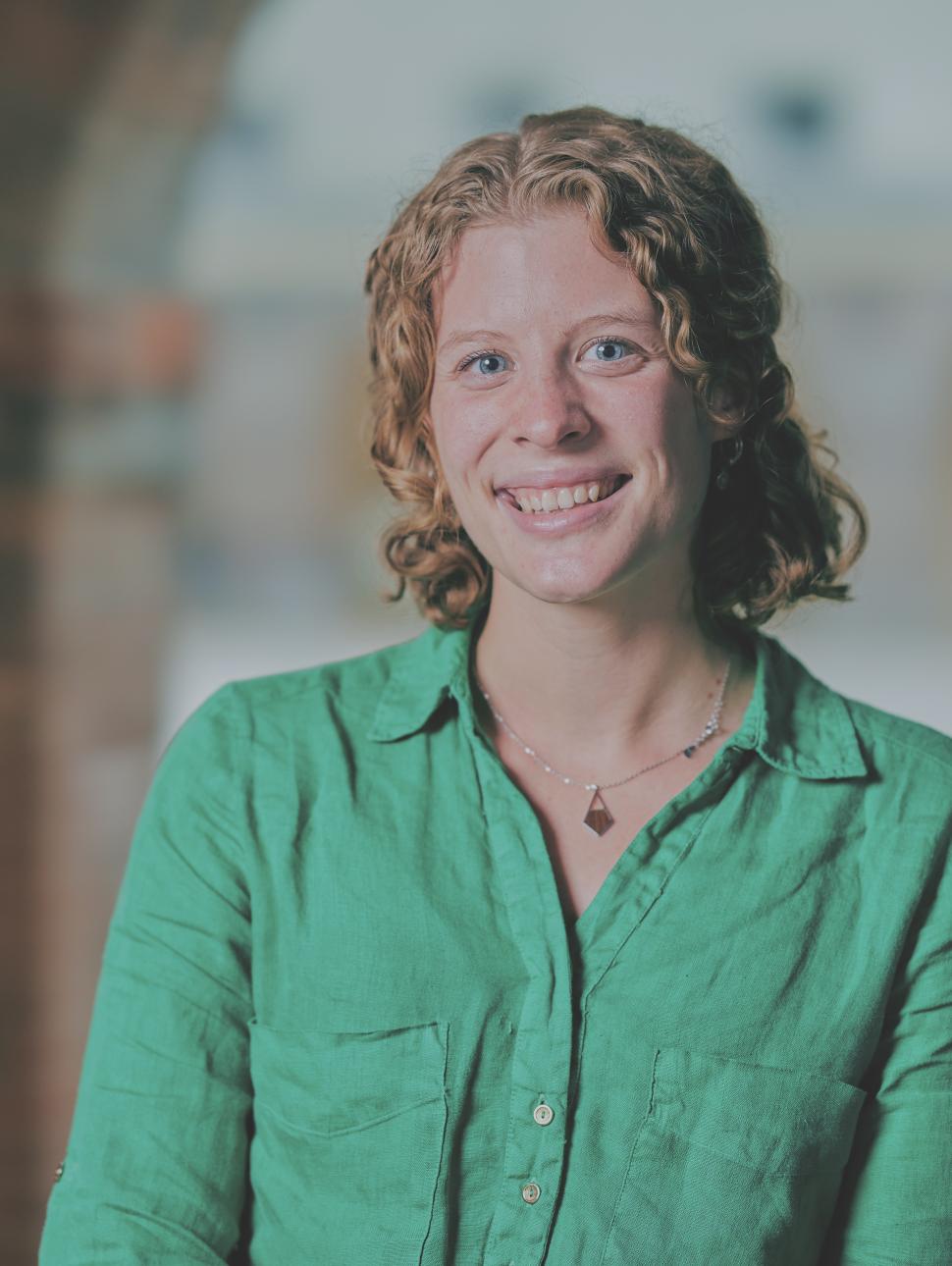
About your presenter
Charlotte Jarvis is a maritime historian and archaeologist based at the National Maritime Museum, Netherlands, researching topics from early modern wooden shipbuilding to threats to Ocean Heritage. She holds degrees in maritime archaeology from Texas A&M University and history from Durham University and specialises in bringing archaeological research into the museum’s exhibitions.
She has research and excavation experience across the Atlantic world and her previous research included alcohol consumption at sea and the archaeological footprint of Dutch bottles on shipwrecks; superstition at sea; women’s work on early modern Dutch shipyards; and marine climate change with an interest in early modern sailors' beliefs and how we can use history to inform environmental policies. She is part of the Ocean Decade Heritage Network, the Advisory Council for Underwater Archaeology, the International Congress of Maritime Museums, and works with the UNESCO 2001 Convention on the Protection of Underwater Cultural Heritage.
This lecture and curatorial exchange visit is supported by the Embassy of the Kingdom of Netherlands