Western Australian Museum Sustainable Futures Plan
Introduction
The Western Australian Museum is committed to best practice and to raising awareness of social, environmental and organisational sustainability, with sustainability as one of the four key pillars of the WA Museum Strategic Plan.
This commitment is also central to two pieces of relevant legislation the Museum Act 1969, and the Maritime Archaeology Act 1973. These pieces of legislation commit the WA Museum to the preservation of areas of historical interest and the wider education of the community of the State. The Museum achieves this through research, management and display of collections and through knowledge derived from collections, including from the natural science collection.
A critical factor, therefore, for the Museum’s success is the ability to promote environmental sustainability through action, research, education, and as a thought leader.
Overview
Sustainability is at the heart of the WA Museum. A range of its activities support sustainability, including biodiversity research and education, and preservation of heritage. The impact of climate change is investigated through research and exhibitions.
The WA Museum raises community awareness of current and historical knowledge of sustainable practices, including Aboriginal knowledge of the natural environment through programming and exhibitions, and is committed to the ongoing development and delivery of programs incorporating sustainability.
At the State level, the WA Museum considers international, federal and state strategies, plans, conventions and codes to inform its own plans and practices relating to sustainability. This encompasses planning for climate resilience and adaptation, protection of cultural heritage, research to contribute to protection of the natural environment, and raising awareness through exhibitions and community programs.
The WA Museum is a Cultural Statutory Authority that receives support from, and frequently collaborates with, the Department of Creative Industries, Tourism and Sport (CITS). This includes WA Museum contributions to several CITS sustainability monitoring and modelling projects.
Strategic Plan 2024 - 2026
The WA Museum Strategic Plan 2024 – 2026 sets the Museum’s goals towards social, environmental and organisational sustainability. Each of the four pillars of the Strategic Plan has been carefully mapped to multiple United Nations Sustainable Development Goals (UNSDG).
United Nations Sustainable Development Goals
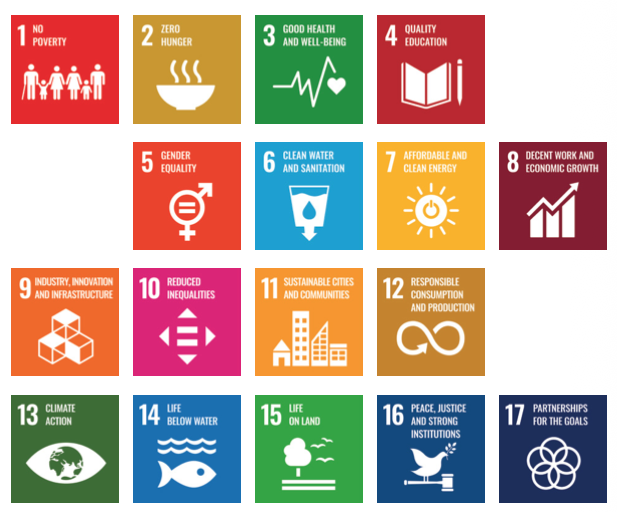
The Western Australian Museum Strategic Pillar 2: Sustainability and Strategic Pillar 3: Aboriginal and Torres Strait Islander Peoples highlight the WA Museum’s goals towards incorporating sustainability and the UNSDG mappings.
Strategic Pillar
2. Sustainability
An agile organisation committed to social, environmental and organisational sustainability.
We will:
2.1 Contribute to understanding and conservation of the environment by being a global partner in collections based research.
2.2 Create safe, inclusive and accessible opportunities to inspire curiosity, share stories, and foster understanding of ourselves and our world.
2.3 Devise a sustainable business model to develop and manage our collections, expertise, buildings, systems, exhibitions and programmes.
2.4 Maximise opportunities offered by digital transformation.
2.5 Build partnerships that create impact and potential.
The WA Museum incorporates workforce planning, with a focus on access and inclusion to provide safe spaces for important conversations and in line with the Public Sector Commission Workforce Diversification and Inclusion Strategy for the WA Public Sector 2020 – 2025.
The WA Museum collaborates through partnerships, grants, and agreements with industry, institutions, including international research organisations, to understand the impact of climate related changes on the natural environment and on cultural heritage. Findings are regularly published and shared in the public domain.

3. Aboriginal and Torres Strait Islander Peoples
Working with and empowering Aboriginal and Torres Strait Islander Peoples.
We will:
3.1 Embrace sound principles of engagement and truth-telling by working with Aboriginal and Torres Strait Islander communities.
3.2 Increase understanding of Aboriginal culture to promote cultural, including increasing understanding of Aboriginal culture.
3.3 Support repatriation of human remains and secret/sacred material to communities of origin, in accordance with correct cultural protocols.
3.4 Commit to attain Stretch Reconciliation Action Plan (RAP) status and investigate progression to Elevate RAP.
3.5 Implement an Aboriginal and Torres Strait Islander employment and training strategy.
The WA Museum incorporates Aboriginal and Torres Strait Islander knowledge of the natural environment, including conservation and sustainability of land management in the development of learning programs, offsite activations and exhibitions.
The WA Museum Reconciliation Action Plan contains multiple actions aimed at social and economic sustainability.
The popular In Conversation program of talks regularly highlights matters involving sustainability, climate change, and Aboriginal and Torres Strait Islander heritage, land rights, and practices.
The Learning and Engagement team offers professional learning and development sessions for educators regarding Aboriginal science knowledges, including land management, resource use, environmental observation, and pre-climate change practices.

Alignment
The WA Museum incorporates best practice international conventions, federal and state strategies and plans.
United Nations Educational, Scientific, and Cultural Organisation (UNESCO)
UNESCO is the United Nations organisation that promotes cooperation in education, science, culture and communication through setting standards and developing tools and knowledge for public policies. Key UNESCO conventions referenced by the WA Museum in sustainability planning, policy and practice include those relating to:
- Protection of Cultural Property including illicit import, export and transfer of cultural property
- Protection of World Cultural and Natural Heritage
- Protection of the Underwater Cultural Heritage.
International Council of Museums
The WA Museum is a member of the International Council of Museums (ICOM) and adheres to the ICOM Code of Ethics for Museums across its practices including management of resources, due diligence and provenance. The WA Museum’s strategy also incorporates advice from Culture and Local Development: Maximising the Impact – A Guide for Local Governments, Communities and Museums, a guideline for cultural organisations to strengthen existing and potential linkages with the local economy and social fabric, which was developed jointly by the Organisation for Economic Co-operation and Development (OECD) and ICOM.
For International Museum Day, ICOM selects several United Nations Sustainable Development Goals to explore, including the role museums play in providing education, and advocacy for a more conscious, sustainable and inclusive world. Progress against these goals are summarised in the Museum’s annual reports.
Additional Strategies
The WA Museum also considers other key strategies including:
Addressing the Western Australian Climate Policy (WA Climate Policy)
The WA Museum contributes to the WA Climate Policy and key State policy commitments to meet net zero emissions, and carries out adaptation planning in the following ways:
- Track emissions data for all WA Museum sites to inform future emission tracking and reduction plans
- Participated in the Climate Adaptation Modelling (CCAM) Project with two Regional sites used to model future adaptation planning
- Developed a register of climate related risks, and mitigation activities.
- Collate and track activities across the WA Museum to inform climate adaptation planning and to contribute to the following three out of four directions in the Climate Adaptation Strategy:
- Direction 1: Produce and communicate credible climate information and resources.
- Support climate adaptation research through biodiversity and environmental conservation research, including the impact of climate change on underwater cultural heritage.
- Model the impact of climate change on State-owned cultural buildings as part of the DLGSC Climate Change Adaptation Modelling (CCAM) Project. Two WA Museum locations, the Museum of Geraldton and the Museum of the Goldfields, participated in the CCAM project to provide insight into regional climate change risks and help with future planning.
- Direction 3: Enhance sector-wide and community partnerships to unite and coordinate action.
- Identify where the WA Museum’s research, collections, programs and exhibitions can contribute to the Adaptation Plan Program for Western Australia.
- Direction 4: Empower and support the climate resilience of Aboriginal People.
- Continue to communicate and explore opportunities to expand community knowledge of Aboriginal sustainable land management and practices through education programs, outreach activities, and exhibitions.
- Continue to collaborate with Aboriginal people in biodiversity research, and sustainable research, including through the Emerging Curators program.
- Direction 1: Produce and communicate credible climate information and resources.
