Celebrate science in the Great Southern!
Dates
Monday 7 August – Friday 25 August | Various times
Various
Site access information
The Museum of the Great Southern is mostly accessible, excluding Brig Amity Replica. Call (08) 9841 4844 for assistance. More about accessibility and amenities >
There is lots do to at the Museum of the Great Southern as we celebrate National Science Week!
You can explore the amazing exhibition Sixteen Legs, be a Bug Detective in the Discovery Centre or simply look and listen for native animal species on the Museum grounds.
Do your little learners like to collect beautiful feathers, unusual leaves, or incredible insects? Why not bring your discoveries with you when you visit the Museum in August and use our powerful micro eye to take a closer look! You don’t just have to rely on the specimens that the Museum has provided, you can explore the grounds and collect fallen and wind-blown material before placing it under the micro eye to reveal incredible details of a miniature world.
Image: Krysta Guille
Engage with Space Heroes!
Years 3–5
14 – 18 August
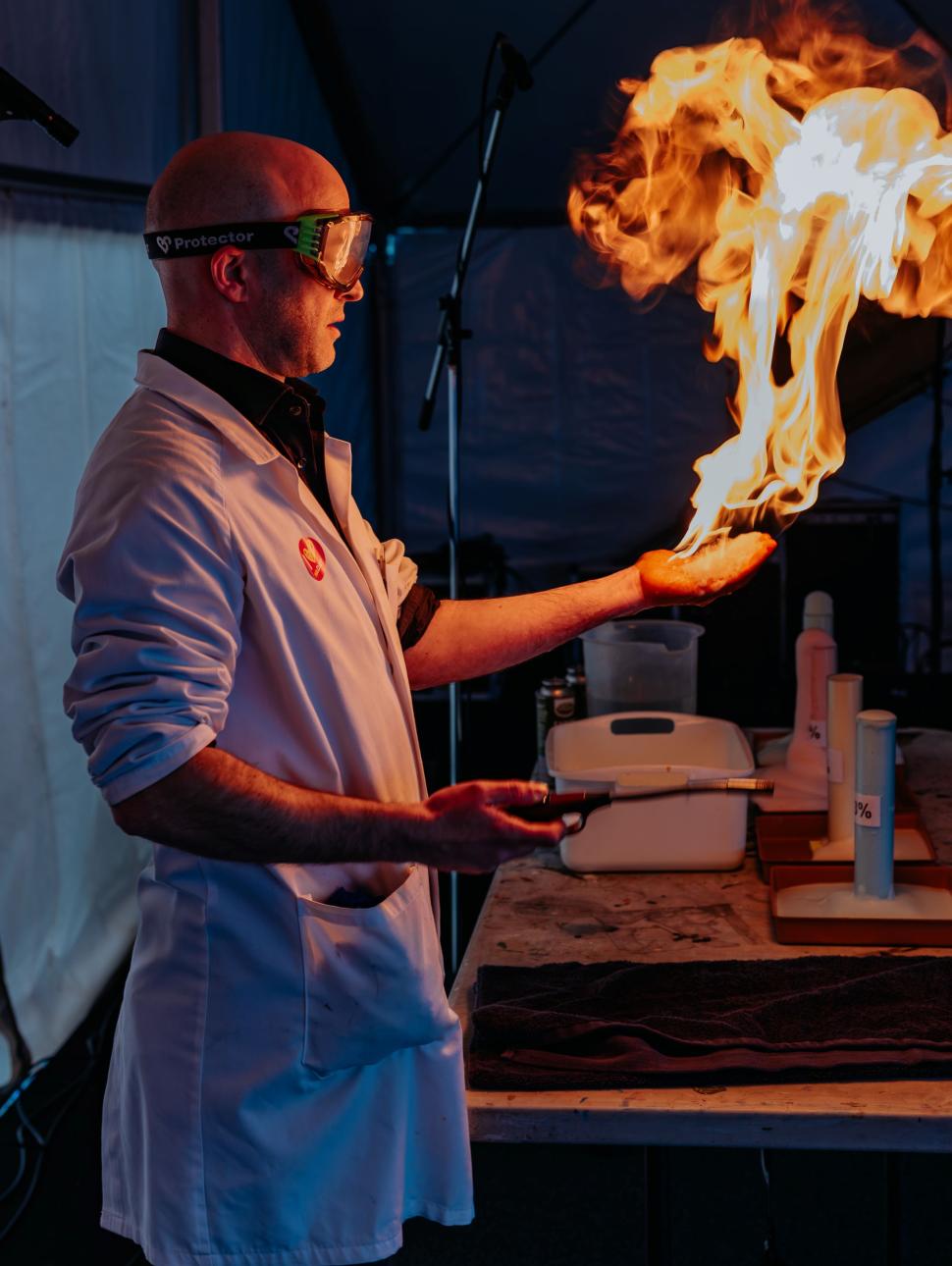
We’re going to turn up the heat at the Museum in August as we explore the properties of different materials and how they can protect an astronaut in Space. Students will discover which technologies have been used in space exploration before getting hands-on designing, building, and testing with different materials.
Teachers, don't miss out! Book early to secure your spot and avoid disappointment. Contact us now to make your booking.
Become a Fossil Hunter!
Incursion to schools
7 – 11 August
21 – 25 August
Celebrate National Science Week by bringing the Museum to your school this August with Fossil Hunters!
Explore animal diets and behaviours through teeth and skull examination with replica skulls of sea creatures, baby triceratops, and juvenile diplodocus. Students can get hands-on with gloves, forceps, and magnifying glasses to explore replica dinosaur coprolite and discover clues to dinosaur diets.
Learn about how animal poop helps scientists study living animals, extract DNA molecules from strawberries, and discuss the challenges of bringing dinosaurs back to life.