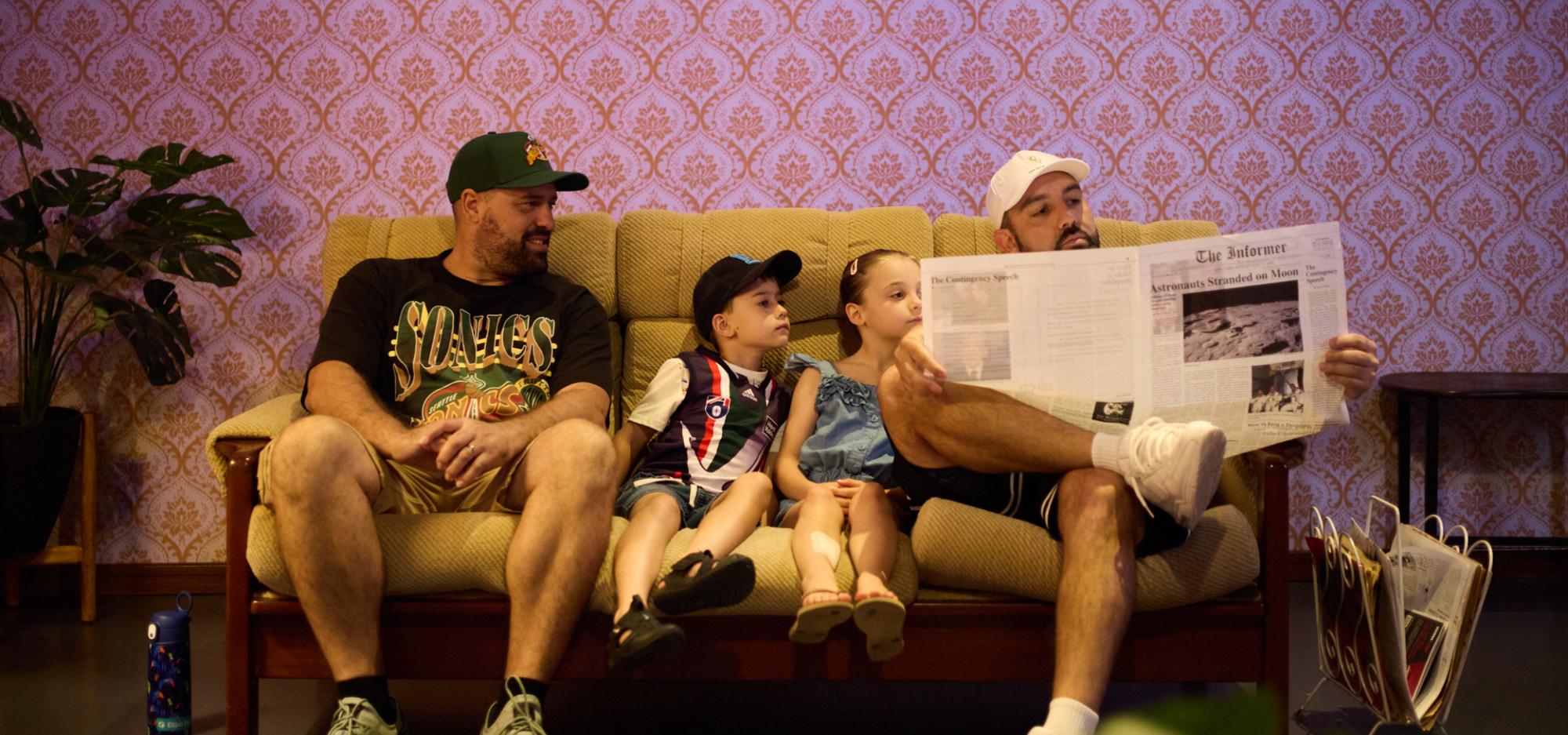
Pre-sale tickets go on sale to WA Museum Members from 20 October, with tickets available to the general public from 22 October.
News and stories
In the news

Pre-sale tickets go on sale to WA Museum Members from 20 October, with tickets available to the general public from 22 October.
News

Congratulations Dr Amelia Harray, who has been named Australia’s top emerging science communicator after taking out the FameLab Australia 2026 National Final at WA Museum Boola Bardip.
News

You got us nominated, but now we need your help to take the next step.
News
From our blog

Michael Malaxos Tsolakis OAM was just 16 when he left Kastellorizo, one of Greece’s easternmost Mediterranean islands, to begin a new life in Western Australia.
Blog

On 13 April 1969, 23-year-old Lesley Meaney stood on the shore of Wadjemup/Rottnest Island and began swimming towards Fremantle. Approximately nine hours later, she reached the mainland, becoming the first woman to complete a solo crossing of the Rottnest Channel.
Blog

Caterina Vallesi (née Cardinali) was married in Porto San Giorgio, Italy, in 1955 — but her groom, Umberto Vallesi, was thousands of kilometres away in Western Australia!
Blog
Explore all stories
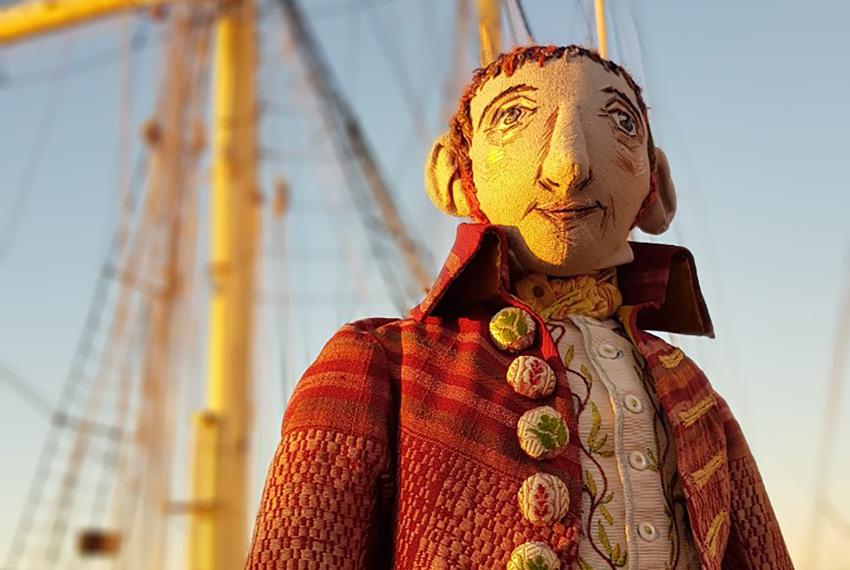
An immersive and finely crafted installation opens at the Museum of the Great Southern on 14 May 2022.
News
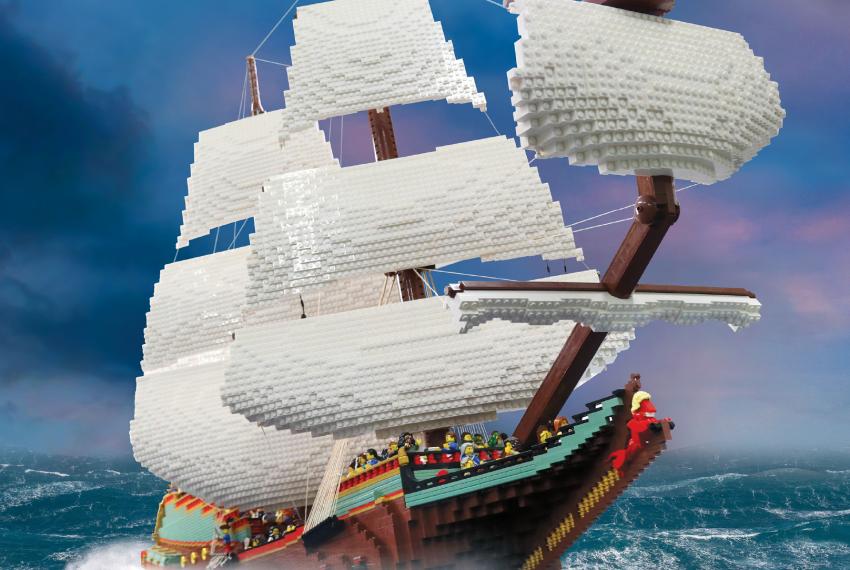
Discover the amazing stories behind some of history’s most iconic shipwrecks.
Article
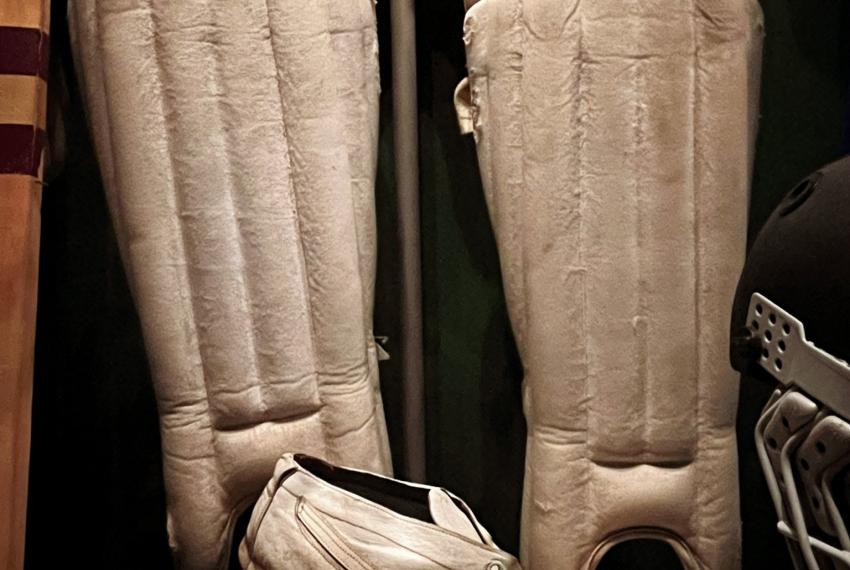
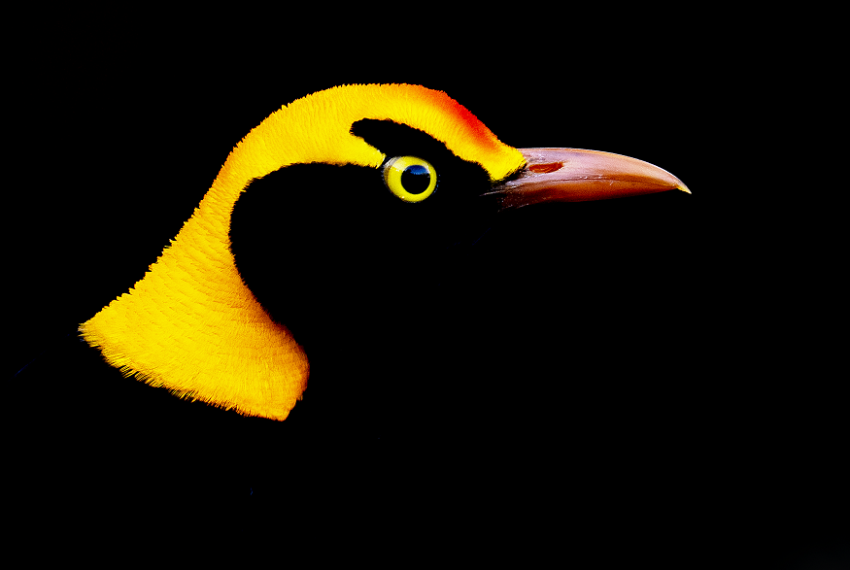
The Australian Geographic Nature Photographer of the Year exhibition will open at the Museum of the Goldfields this Saturday, 19 March.
News
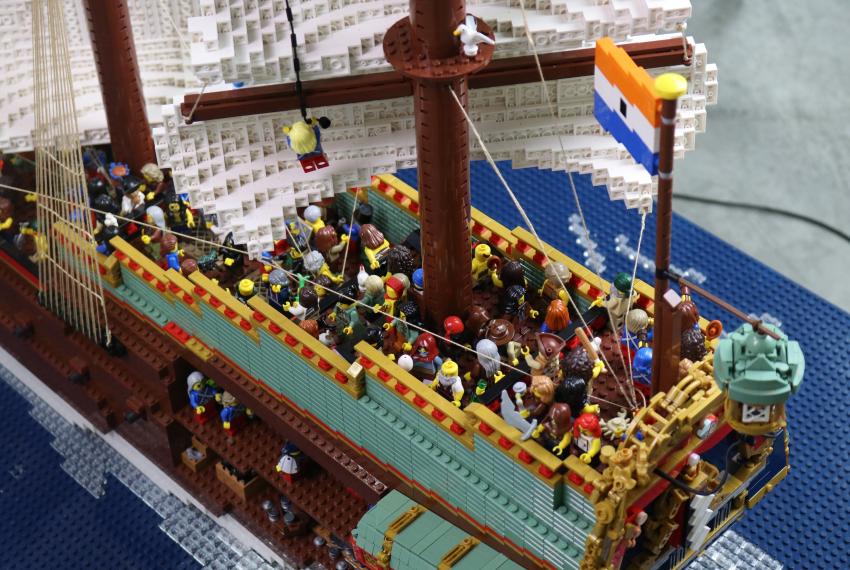
A compelling exhibition using LEGO® bricks is travelling to the Museum of the Great Southern, after a successful debut at the WA Maritime Museum.
News
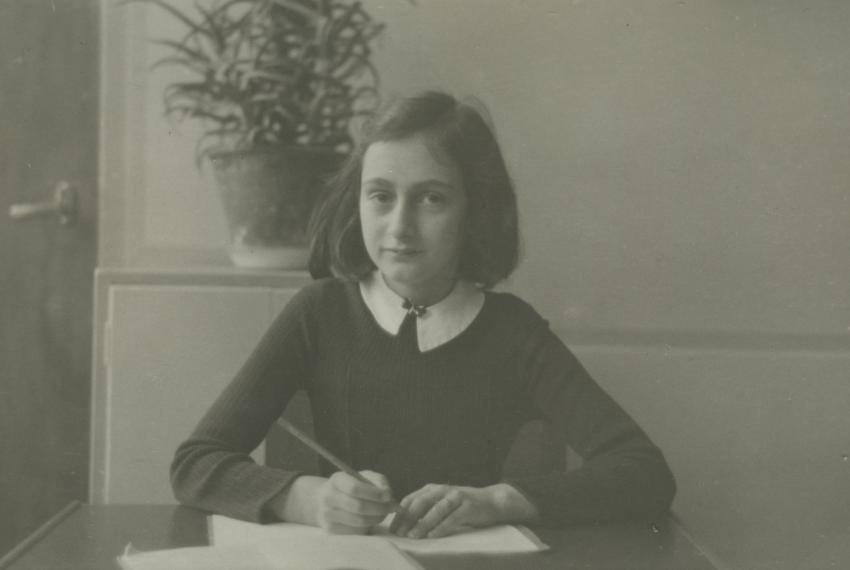
An exhibition reflecting on the life and legacy of Anne Frank will open at the Museum of the Great Southern.
News
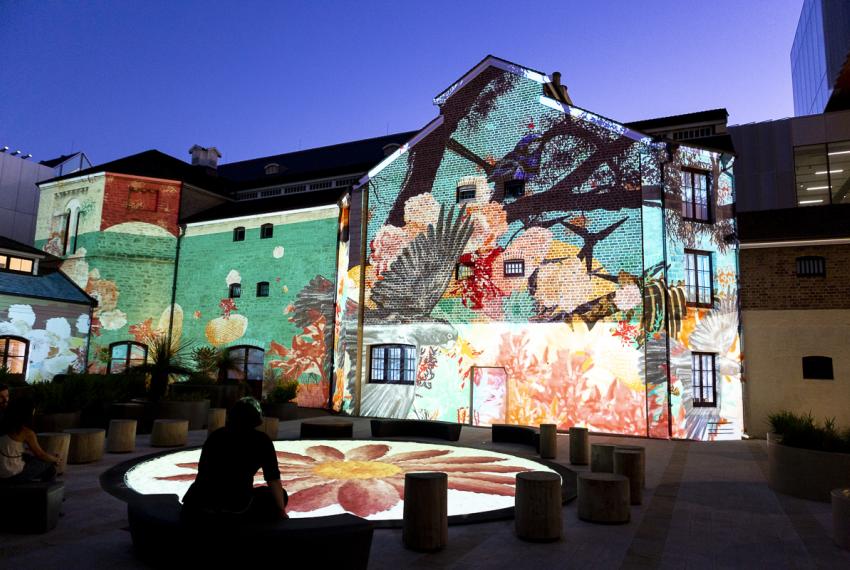
Illuminate is a new, permanent art experience at the WA Museum Boola Bardip. The stunning projection experience lights up the historic Old Gaol each night with vibrant storytelling and a rich soundscape.
Article
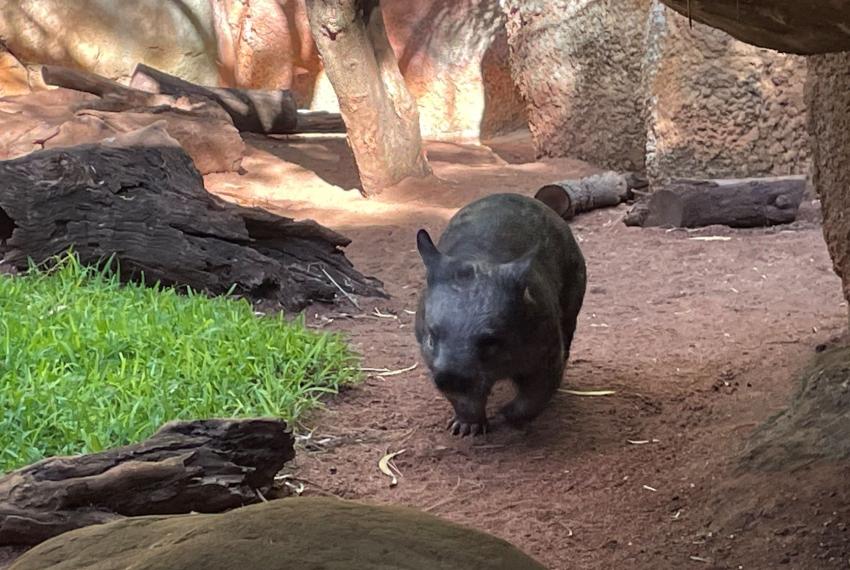
A scientific expedition can take researchers on some unlikely paths and discoveries.
Article
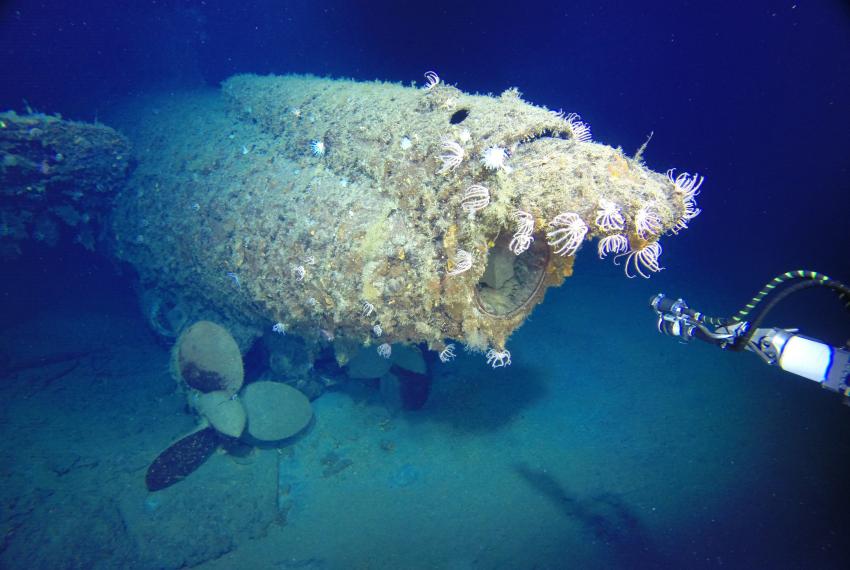
An exhibition examining the loss of Australia’s first submarine opens at the Museum of Geraldton this week.
The HMAS AE1 Revealed exhibition recounts the submarine’s sinking in September 1914, as well as the discovery of the wreck more than 100 years later.
News
Batavia
Batavia was on its maiden voyage when disaster struck on 4 June 1629.
Article
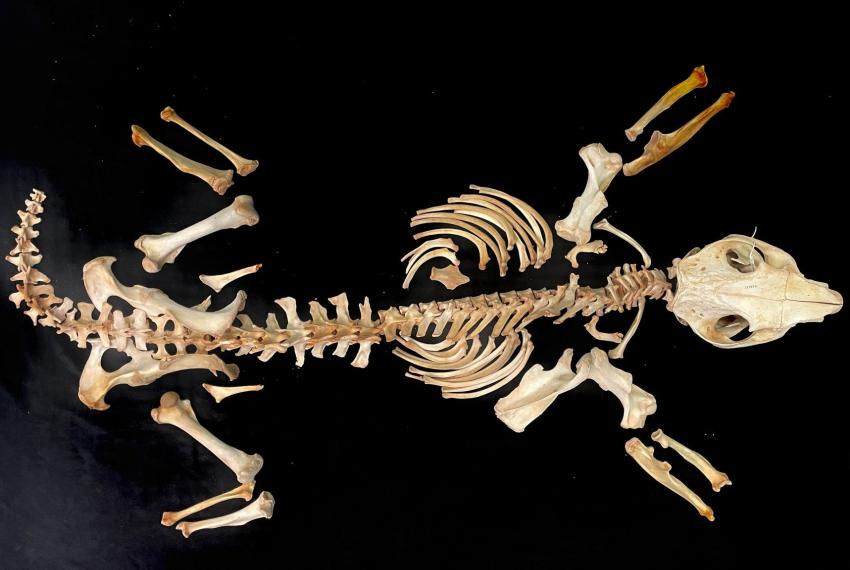
Wombats in Western Australia – feared to be extinct in the 1980s – are alive and well.
News
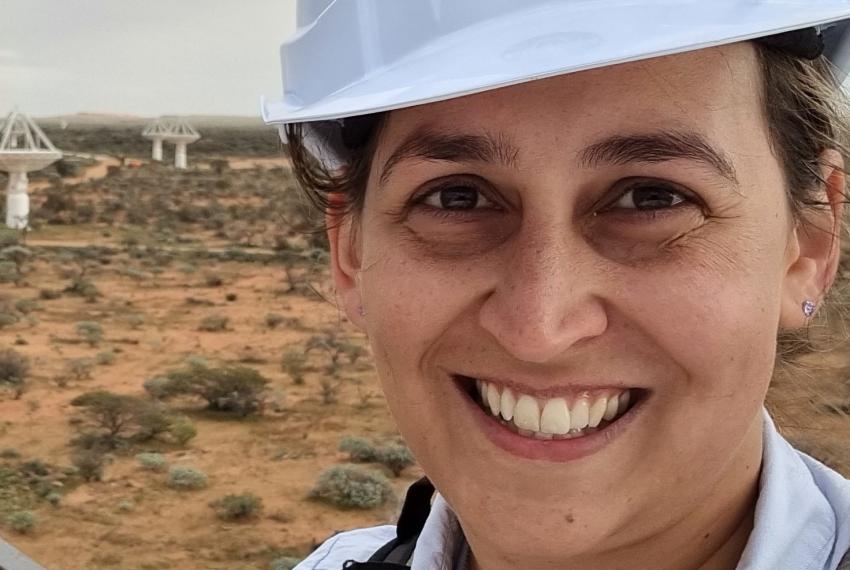
Your last VR film was The Antarctica Experience, now you’ve turned your attention to radio telescopes. Why?
Article
