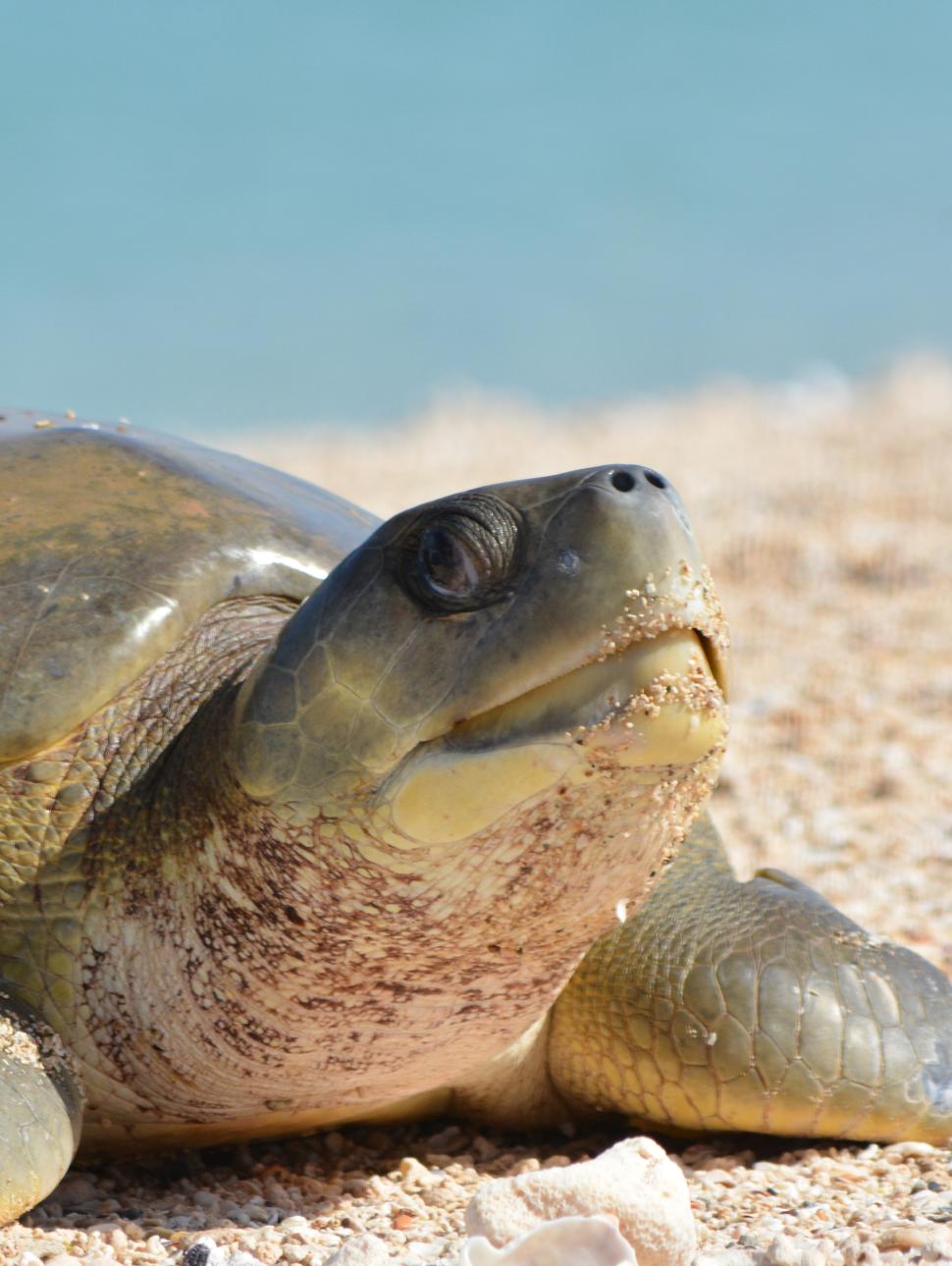
Nearer to Nature: Turtle Conservation workshop
$15 per participant | Drop and Leave program
Each ticket includes General Admission entry for one child and one adult to the WA Maritime Museum.
Members
WA Museum Members exclusive $10 discount by using the code WAMMEMBER26 at checkout.
Please bring evidence of your membership when attending the event.
Note: Extra adults attending must purchase an admission ticket to WA Maritime Museum on entry.
Ages
Ages 12 - 17 years
Duration
90 minutes
Site access information
WA Maritime Museum is mostly accessible, excluding tours aboard the HMAS Ovens. Call 1300 134 081 for assistance. More about accessibility and amenities >
Would you eat turtle soup?
Turtles are one of the world’s most beloved marine animals today, but it hasn’t always been that way.
In this session, you will learn about the seven species of marine turtles and discover some of the ways humans have interacted with them over the last 300 years.
From making turtle soup to protecting turtles internationally, we will dive into a history of turtles being used as a resource, the impacts this had on their populations, and what we are doing now to protect and conserve these amazing animals.
While at the Maritime Museum, we will also explore exhibits showing Western Australia’s fishing history and Indian Ocean biodiversity, while considering how we can live sustainably in this unique and diverse part of the world.
Drop and Leave Holiday Programs
Drop and leave programs enable children and young people to experience the Museum independently, discover and learn something new in an area of interest and access materials and resources that would not normally be available at home. This program is managed and monitored by Department of Biodiversity, Conservation and Attractions staff.
This workshop is presented by the Northwest Shelf Flatback Turtle Conservation Program and Nearer to Nature through the Department of Biodiversity, Conservation and Attractions.
Related exhibitions
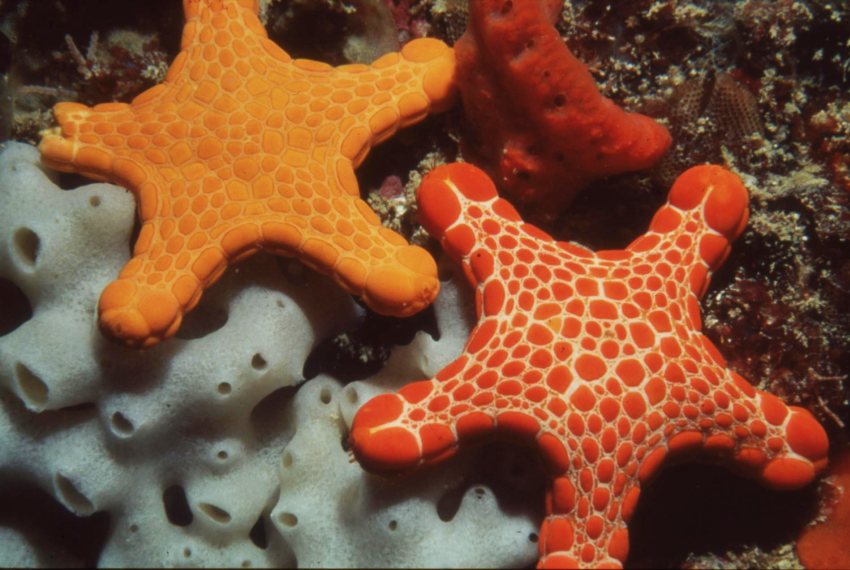
Learn about the incredible marine life that can be found along Western Australia's coastline.

